

Jane Halpern | Department of Electrical Engineering and Computer Science
October 6, 2022
One of the most critical components of our technological future is easy to overlook. Microelectronics, the devices and circuits at the core of computer and communication chips, are aptly named: built on the micrometer (and nanometer!) scale, they cannot be seen with the naked eye, but they power almost everything around us from smart watches, cell phones, or computers to electric vehicles and the sophisticated tools used in DNA sequencing and drug discovery.
Although we often take them for granted, the pandemic and supply-chain issues it has fostered have highlighted how critical these tiny electronic building blocks are. However, although the development of microelectronics began in the United States, production of microelectronics chips in the U.S. over the last 30 years has lagged behind that of other countries, creating a critical shortage of national capability in research, development, and manufacturing.
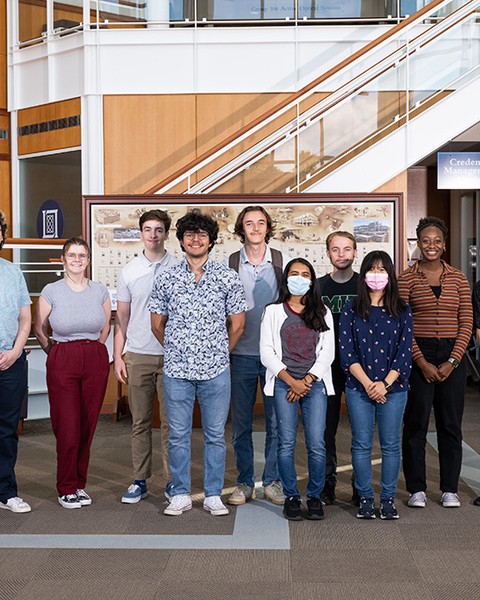
The Massachusetts Microelectronics Internship Program (MMIP) is trying to change that. Designed by a coalition of universities, private companies, and state governmental organizations, the new initiative was launched this past summer to connect undergraduates interested in learning more about microelectronics with industry.
Complete article from MIT News.
Explore
MIT researchers advance toward greater bandwidth, more energy-efficient communications
Elizabeth A. Thomson | Materials Research Laboratory
The FUTUR-IC research program integrates electronics and photonics in microchip systems.
Pablo Jarillo-Herrero wins Kavli Prize in Nanoscience
Julia C. Keller | School of Science
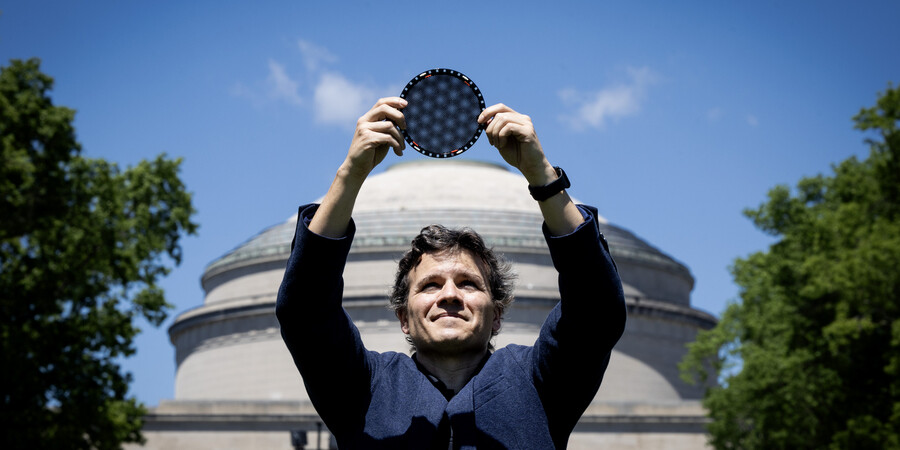
The MIT physicist shares the honor with two others for foundational research establishing the field of twistronics.
Discovering the Joy of Future-forward Electrical Engineering
Jane Halpern | Department of Electrical Engineering and Computer Science
One year in, MIT’s hands-on 6-5 (Electrical Engineering With Computing) degree program is already one of the most popular majors among first-year students.


