
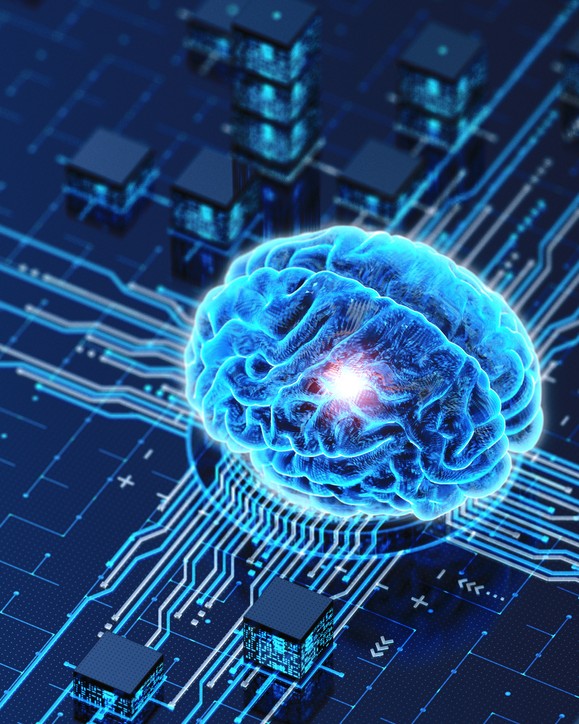
Despite decades of progress, today’s processors and AI accelerators still fall far short of biological brains in many respects. Neuromorphic chips, such as Intel’s Loihi, aim to narrow this gap by applying principles of brain computation, re-thinking computer architecture and algorithms from transistors up. This talk covers learnings from our research with Loihi and the outlook to commercialization of this technology.
Hosted by Microsystems Technology Laboratory.
Speaker
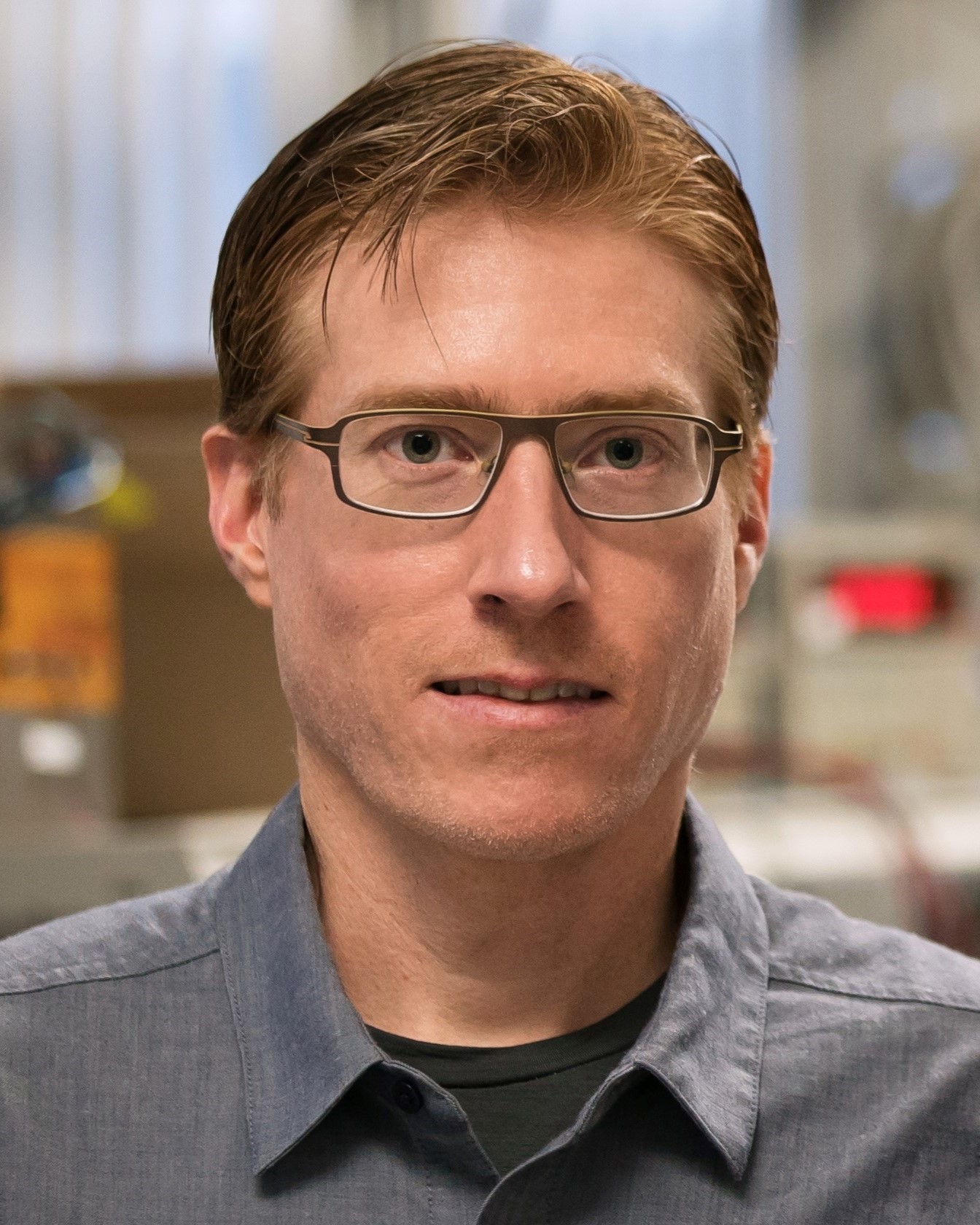
Mike Davies
Mike Davies is Director of Intel’s Neuromorphic Computing Lab. In the 2000s at Fulcrum Microsystems, Mike pioneered asynchronous design in industry-leading networking switches. Since 2015 his group in Intel Labs has been applying those methods to brain-inspired AI processors such as Loihi.
Explore
MIT researchers advance toward greater bandwidth, more energy-efficient communications
Elizabeth A. Thomson | Materials Research Laboratory
The FUTUR-IC research program integrates electronics and photonics in microchip systems.
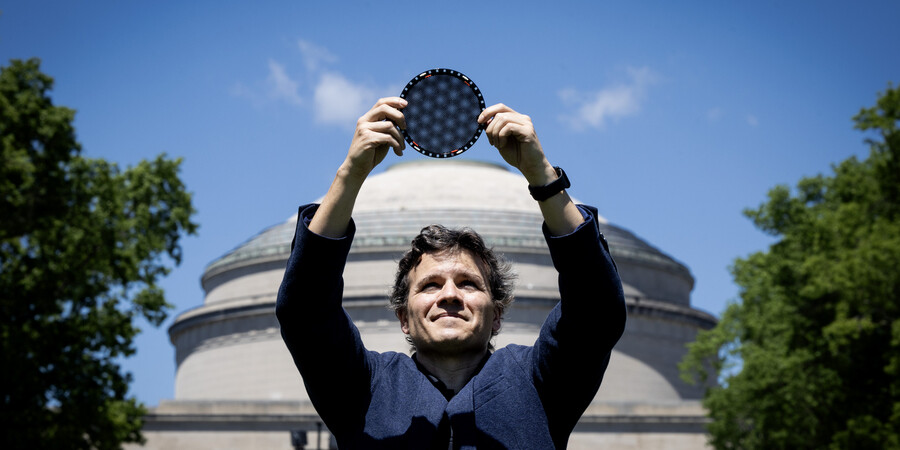
Pablo Jarillo-Herrero wins Kavli Prize in Nanoscience
Julia C. Keller | School of Science
The MIT physicist shares the honor with two others for foundational research establishing the field of twistronics.

Discovering the Joy of Future-forward Electrical Engineering
Jane Halpern | Department of Electrical Engineering and Computer Science
One year in, MIT’s hands-on 6-5 (Electrical Engineering With Computing) degree program is already one of the most popular majors among first-year students.