
March 18, 2024
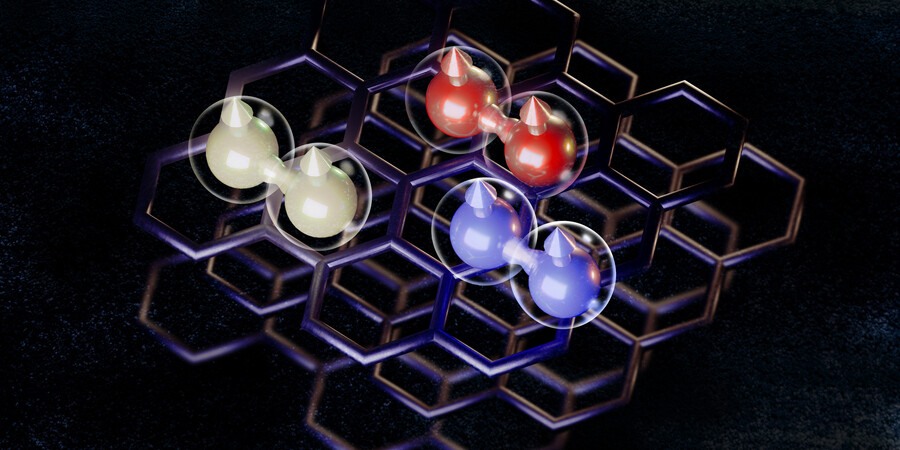
Quantum computing is the next frontier for faster and more powerful computing technologies. It has the potential to better optimize routes for shipping and delivery, speed up battery development for electric vehicles, and more accurately predict trends in financial markets. But to unlock the quantum future, scientists and engineers need to solve outstanding technical challenges while continuing to explore new applications.
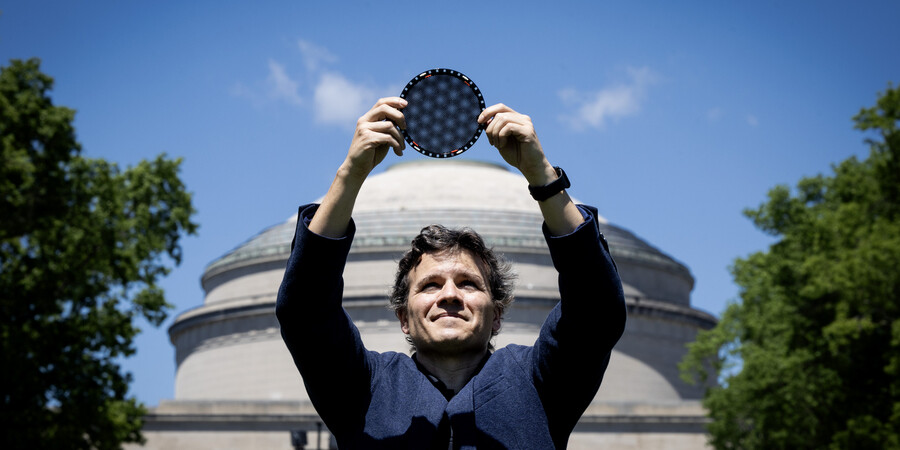
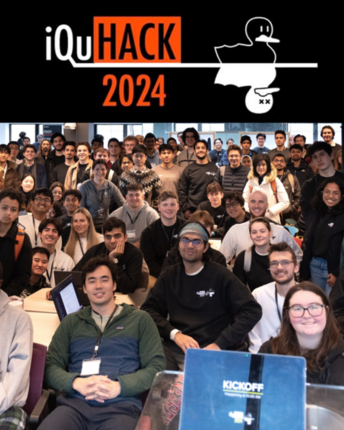
One place where they’re working towards this future is the MIT Interdisciplinary Quantum Hackathon, or iQuHACK for short (pronounced “i-quack,” like a duck). Each year, a community of quhackers (quantum hackers) gathers at iQuHACK to work on quantum computing projects using real quantum computers and simulators. This year, the hackathon was held both in-person at MIT and online over three days in February.
Quhackers worked in teams to advance the capability of quantum computers and to investigate promising applications. Collectively, they tackled a wide range of projects, such as running a quantum-powered dating service, building an organ donor matching app, and breaking into quantum vaults. While working, quhackers could consult with scientists and engineers in attendance from sponsoring companies. Many sponsors also received feedback and ideas from quhackers to help improve their quantum platforms.
Complete article from MIT News.
Explore
Efficient cooling method could enable chip-based trapped-ion quantum computers
Adam Zewe | MIT News
New technique could improve the scalability of trapped-ion quantum computers, an essential step toward making them practically useful.
What Makes a Good Proton Conductor?
Zach Winn | MIT News
MIT researchers found a way to predict how efficiently materials can transport protons in clean energy devices and other advanced technologies.
Lisa Su ’90, SM ’91, PhD ’94 to deliver MIT’s 2026 Commencement address
Kathy Wren | MIT News
An electrical engineer by training, Su is the chair and CEO of the semiconductor company AMD.