
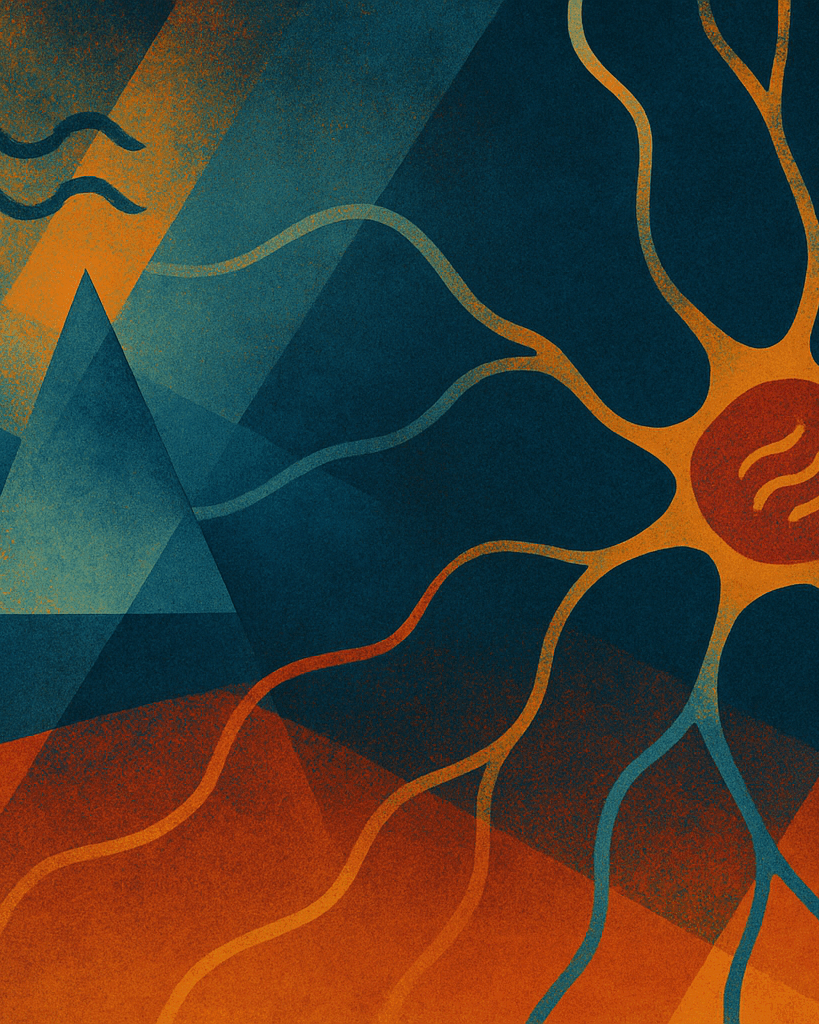
Nanoscale magnetic materials are powerful building blocks for AI, for in-memory computing as well as for energy storage. We will present results on fabricating magnetic neurons for neuromorphic computing. The domain wall-based neurons operate with high reliability and have spontaneous leaking due to shape anisotropy. For energy, we will show that nanogranular CoZrO has low coercivity with high saturation flux density for on-chip magnetic core components. These advances showcase the convergence of materials and device engineering for AI.
This event is part of the Joint MIT AI Hardware Program and Microsystems Technology Laboratories Seminar Series.

Speaker
Jean Anne Incorvia
Jean Anne C. Incorvia is an Associate Professor and Engineering Foundation Endowed Faculty in Electrical and Computer Engineering at The University of Texas at Austin, where she directs the Integrated Nano Computing Lab. Dr. Incorvia develops nanodevices using emerging physics and materials, with an emphasis on applications in computing.
Explore

The Brain Power Behind Sustainable AI
PhD student Miranda Schwacke explores how computing inspired by the human brain can fuel energy-efficient artificial intelligence.
Jason Sparapani | Department of Materials Science and Engineering

Analog In-Memory Computing for Deep Learning Inference
Wednesday, November 15, 2023 | 12:00 - 1:00pm ET
Hybrid
Grier A (34-401A)
50 Vassar Street Cambridge, MA
Neuroscience Guided Ionic Computing
Bilge Yildiz, Michale Fee, Jesus del Alamo, Ju Li
New approaches to brain-inspired computing could achieve greater than a million-fold improvements in energy efficiency.