

Will Knight | Wired Magazine
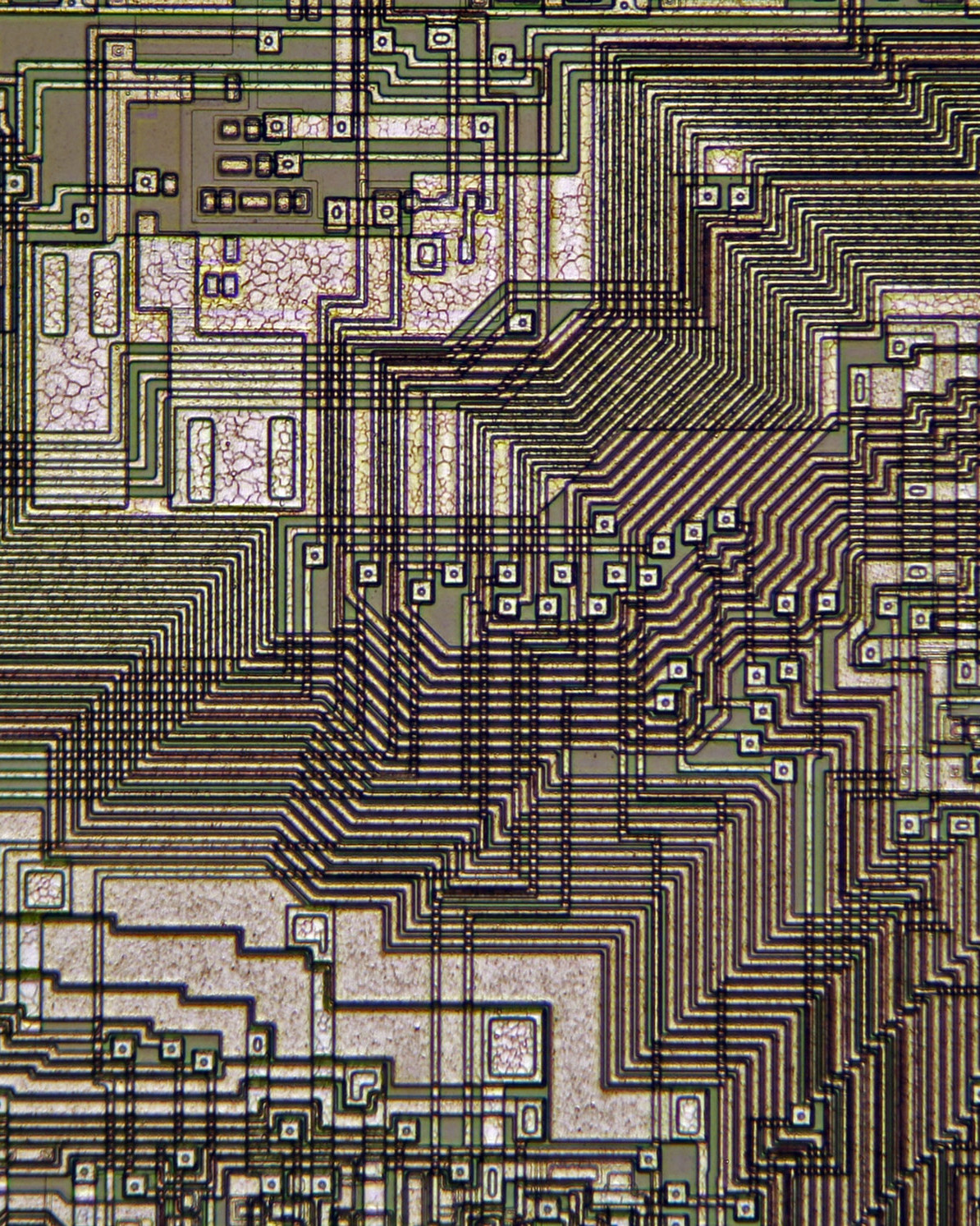
Artificial Intelligence is now helping to design computer chips—including the very ones needed to run the most powerful AI code. Sketching out a computer chip is both complex and intricate, requiring designers to arrange billions of components on a surface smaller than a fingernail. But recent advances in AI have made it possible for algorithms to learn some of the dark arts involved in chip design. This should help companies draw up more powerful and efficient blueprints in much less time.
Song Han, assistant professor of electrical engineering and computer science at MIT, says reinforcement learning shows significant potential for improving the design of chips, because, as with a game like Go, it can be difficult to predict good decisions without years of experience and practice.
Complete article from Wired.
Explore
MIT researchers advance toward greater bandwidth, more energy-efficient communications
Elizabeth A. Thomson | Materials Research Laboratory
The FUTUR-IC research program integrates electronics and photonics in microchip systems.

Pablo Jarillo-Herrero wins Kavli Prize in Nanoscience
Julia C. Keller | School of Science
The MIT physicist shares the honor with two others for foundational research establishing the field of twistronics.
Discovering the Joy of Future-forward Electrical Engineering
Jane Halpern | Department of Electrical Engineering and Computer Science
One year in, MIT’s hands-on 6-5 (Electrical Engineering With Computing) degree program is already one of the most popular majors among first-year students.


