
Kim Martineau | MIT Schwarzman College of Computing
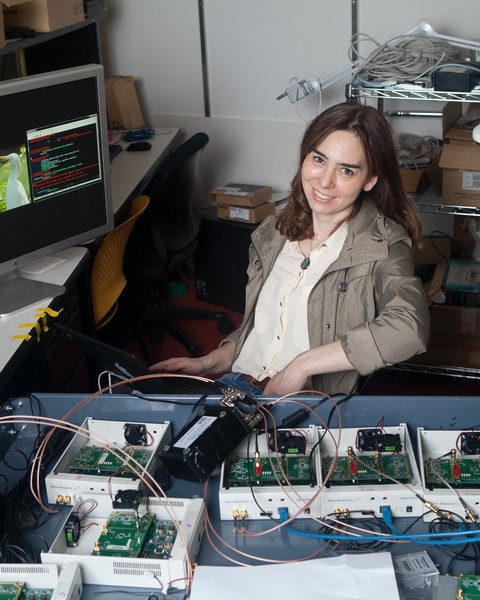
Dina Katabi is designing the next generation of smart wireless devices that will sit in the background of a given room, gathering and interpreting data, rather than being wrapped around one’s wrist or worn elsewhere on the body. In this Q&A, Katabi, the Thuan (1990) and Nicole Pham Professor at MIT, discusses some of her recent work.
Q: Smartwatches and fitness trackers have given us a new level of personalized health information. What’s next?
A: The next frontier is the home, and building truly-intelligent wireless systems that understand people’s health and can interact with the environment and other devices. Google Home and Alexa are reactive. You tell them, “wake me up,” but they sound the alarm whether you’re in bed or have already left for work. My lab is working on the next generation of wireless sensors and machine-learning models that can make more personalized predictions.
Complete article from MIT News.
Explore
New chip could help tiny robots traverse complex environments
Adam Zewe | MIT News
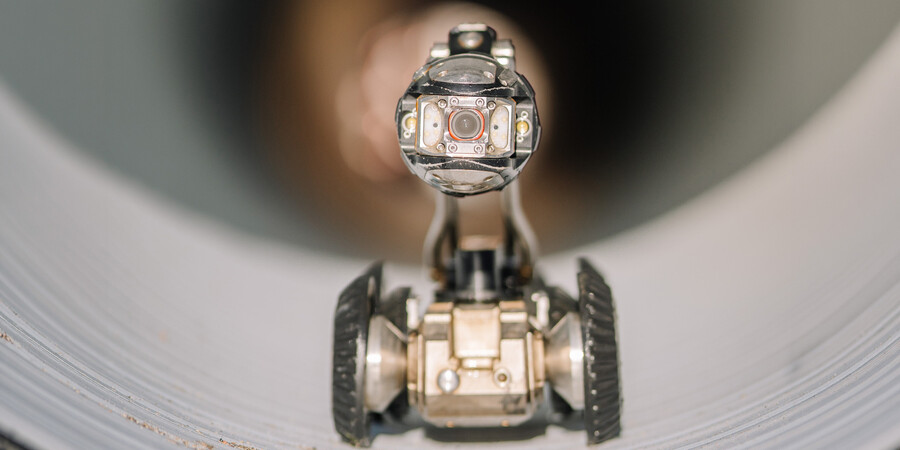
Researchers combined an efficient algorithm with dedicated hardware to rapidly generate 3D maps for navigation using minimal memory and power.

New Imaging Technique Reconstructs the Shapes of Hidden Objects
Adam Zewe | MIT News
By leveraging reflections from wireless signals like Wi-Fi, the system could allow robots to find and manipulate items that are blocked from view
Bringing Lab Testing to the Home
Zach Winn | MIT News
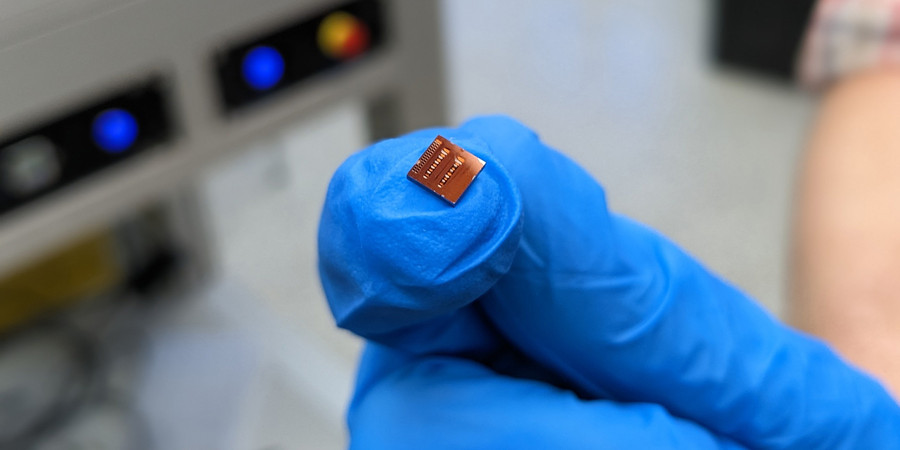
The startup SiPhox, founded by two former MIT researchers, has developed an integrated photonic chip for high-quality, home-based blood testing.


