

February 28, 2023
When Liu He, a Chinese economist, politician, and “chip czar,” was tapped to lead the charge in a chipmaking arms race with the United States, his message lingered in the air, leaving behind a dewy glaze of tension: “For our country, technology is not just for growth… it is a matter of survival.”
Once upon a time, the United States’ early technological prowess positioned the nation to outpace foreign rivals and cultivate a competitive advantage for domestic businesses. Yet, 30 years later, America’s lead in advanced computing is continuing to wane. What happened?
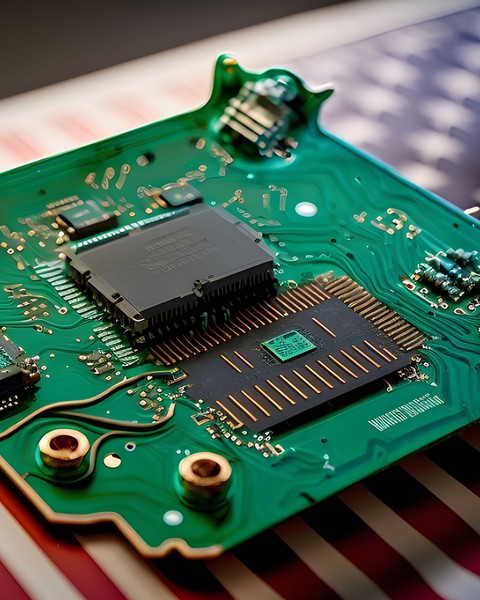
A new report from an MIT researcher and two colleagues sheds light on the decline in U.S. leadership. The scientists looked at high-level measures to examine the shrinkage: overall capabilities, supercomputers, applied algorithms, and semiconductor manufacturing. Through their analysis, they found that not only has China closed the computing gap with the U.S., but nearly 80 percent of American leaders in the field believe that their Chinese competitors are improving capabilities faster — which, the team says, suggests a “broad threat to U.S. competitiveness.”
Complete article from MIT News.
Explore
Lisa Su ’90, SM ’91, PhD ’94 to deliver MIT’s 2026 Commencement address
Kathy Wren | MIT News
An electrical engineer by training, Su is the chair and CEO of the semiconductor company AMD.
New 3D Chips could Make Electronics Faster and more Energy-Efficient
Adam Zewe | MIT News
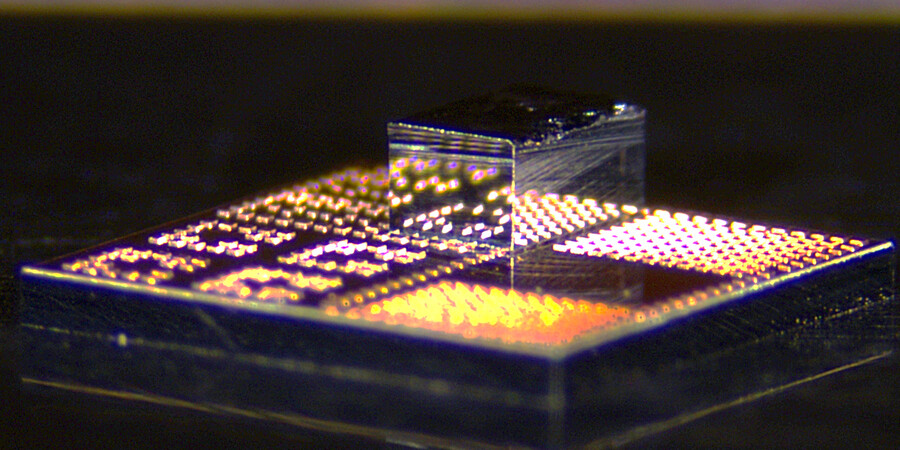
The low-cost, scalable technology can seamlessly integrate high-speed gallium nitride transistors onto a standard silicon chip.

Anantha Chandrakasan Named MIT Provost
Kathy Wren | MIT News
A faculty member since 1994, Chandrakasan has also served as dean of engineering and MIT’s inaugural chief innovation and strategy officer, among other roles.


