
Will Knight | Wired Magazine
Artificial intelligence has made stunning strides, but it often needs absurd amounts of data and computer power to get there. Now some AI researchers are focused on making the technology as efficient as possible.
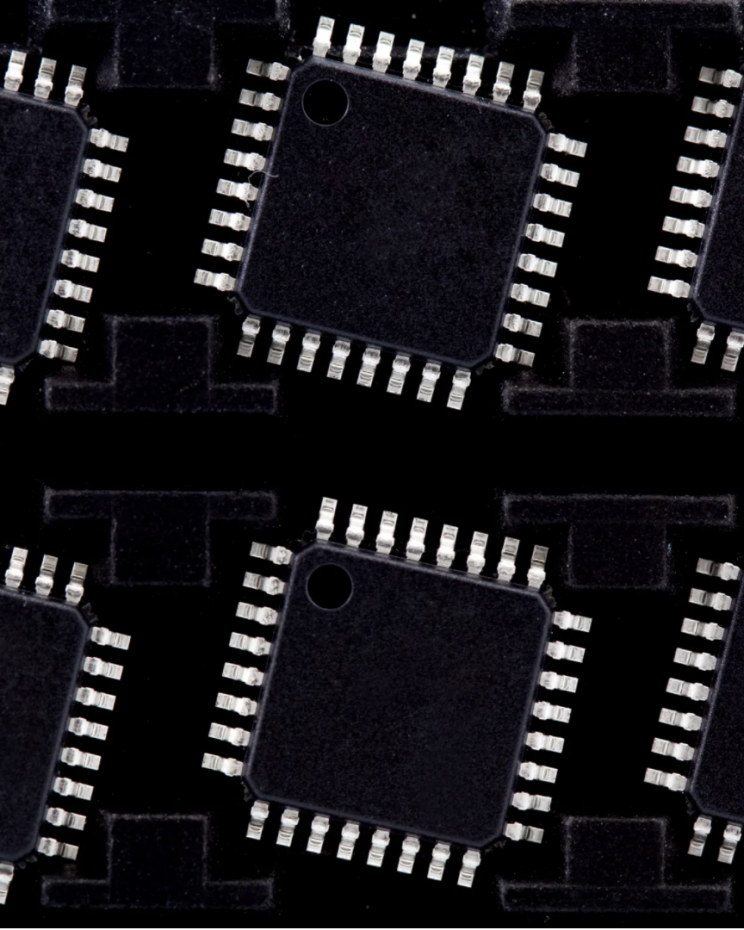
Researchers showed it is possible to squeeze a powerful AI vision algorithm onto a simple, low-power computer chip that can run for months on a battery. The trick could help bring more advanced AI capabilities, like image and voice recognition, to home appliances and wearable devices, along with medical gadgets and industrial sensors. It could also help keep data private and secure by reducing the need to send anything to the cloud.
Complete article from Wired.
Explore
Discovery helps explain why solid-state batteries often fail
Zach Winn | MIT News
New research could help prevent the formation of tiny seeds of lithium metal within the electrolyte, enabling batteries that charge faster and last longer.

MIT researchers advance toward greater bandwidth, more energy-efficient communications
Elizabeth A. Thomson | Materials Research Laboratory
The FUTUR-IC research program integrates electronics and photonics in microchip systems.
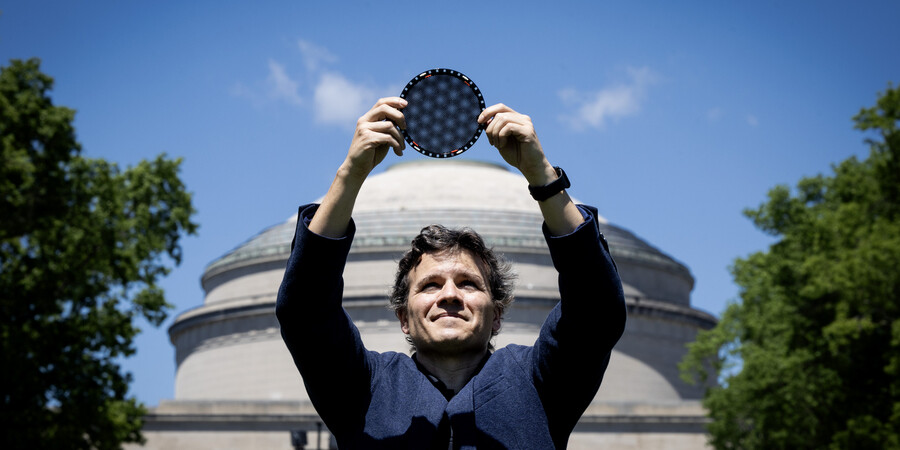
Pablo Jarillo-Herrero wins Kavli Prize in Nanoscience
Julia C. Keller | School of Science
The MIT physicist shares the honor with two others for foundational research establishing the field of twistronics.


