
July 6, 2026
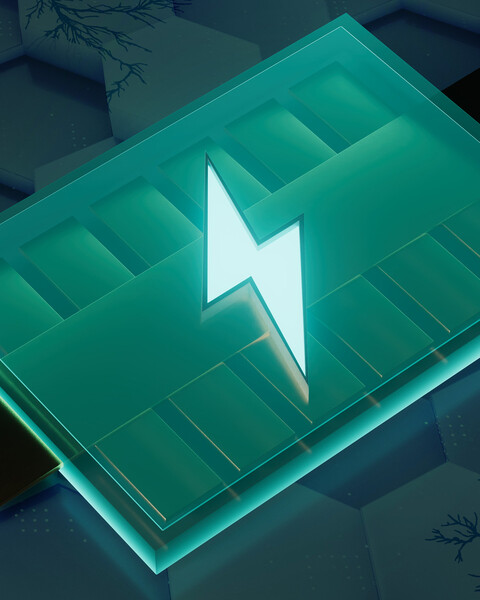
Next generation batteries that use new electrolyte materials could achieve far higher energy density than today’s lithium-ion batteries, without many of the safety concerns. But advanced batteries, such as those that use solid or almost-solid electrolytes, have been plagued by the formation of tiny spikes of lithium metal called dendrites that cause the batteries to lose efficiency and fail.
Exactly how those dendrites form is still up for debate. While the interface between the battery’s electrolyte and electrodes has been the focus of most research, another culprit is the boundary where two grains of electrolyte in a solid material meet. Researchers know these boundaries can seed dendrites within electrolytes, although the effects have been difficult to study.
Now researchers at MIT and the Technical University of Munich have uncovered why such boundaries can lead to dendrites: Hidden electrical imbalances across the boundaries affect how the electrolyte conducts electrical charges, which influences how the ions and electrons move through the material during battery operation. In a paper published today in Nature Nanotechnology, the researchers characterized the electrical and chemical behavior of the boundaries and showed that adjusting how the electrolyte is processed enhances the movement of ions while reducing electron leakage. This adjustment can increase critical current density by more than 300 percent, which could enable solid-state batteries that charge faster and last longer.
Complete article from MIT News.
Explore
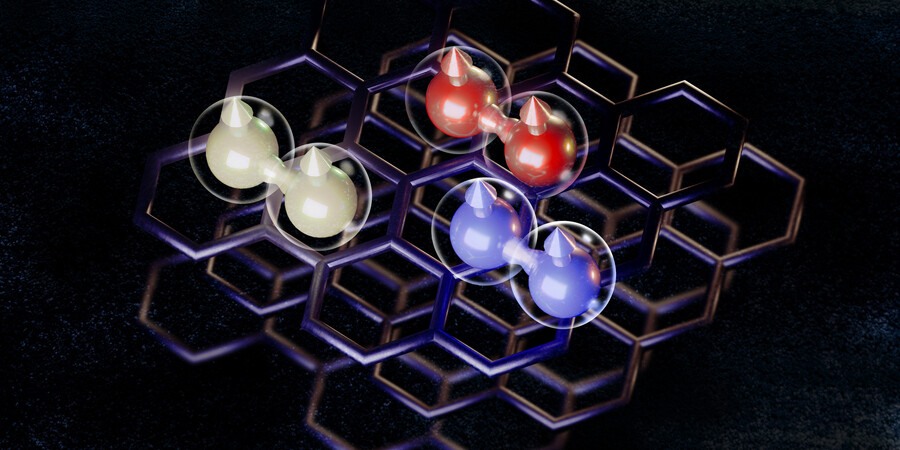
Graphene can hold multiple states of superconductivity, a new study finds
Jennifer Chu | MIT News
What’s more, the superconducting states get stronger under conditions expected to kill them.

Improving the performance of high-power electronics
Adam Zewe | MIT News
By using a thin layer of diamond to manage excessive heat, researchers can boost the speed and energy-efficiency of next-generation wireless devices.
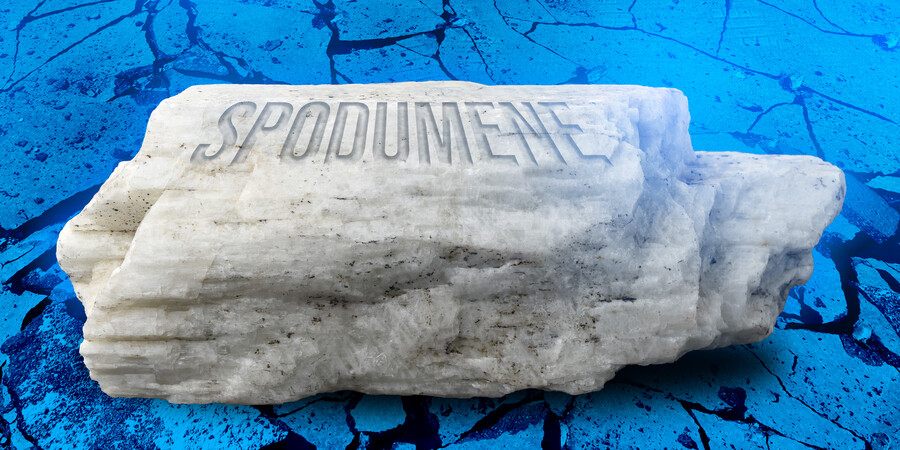
MIT researchers develop a low-cost technique to get lithium out of rocks
Zach Winn | MIT News
The low-temperature process could unlock cleaner lithium from America’s abundant hard rock while minimizing waste.


