Dina Genkina | IEEE Spectrum
December 02, 2022
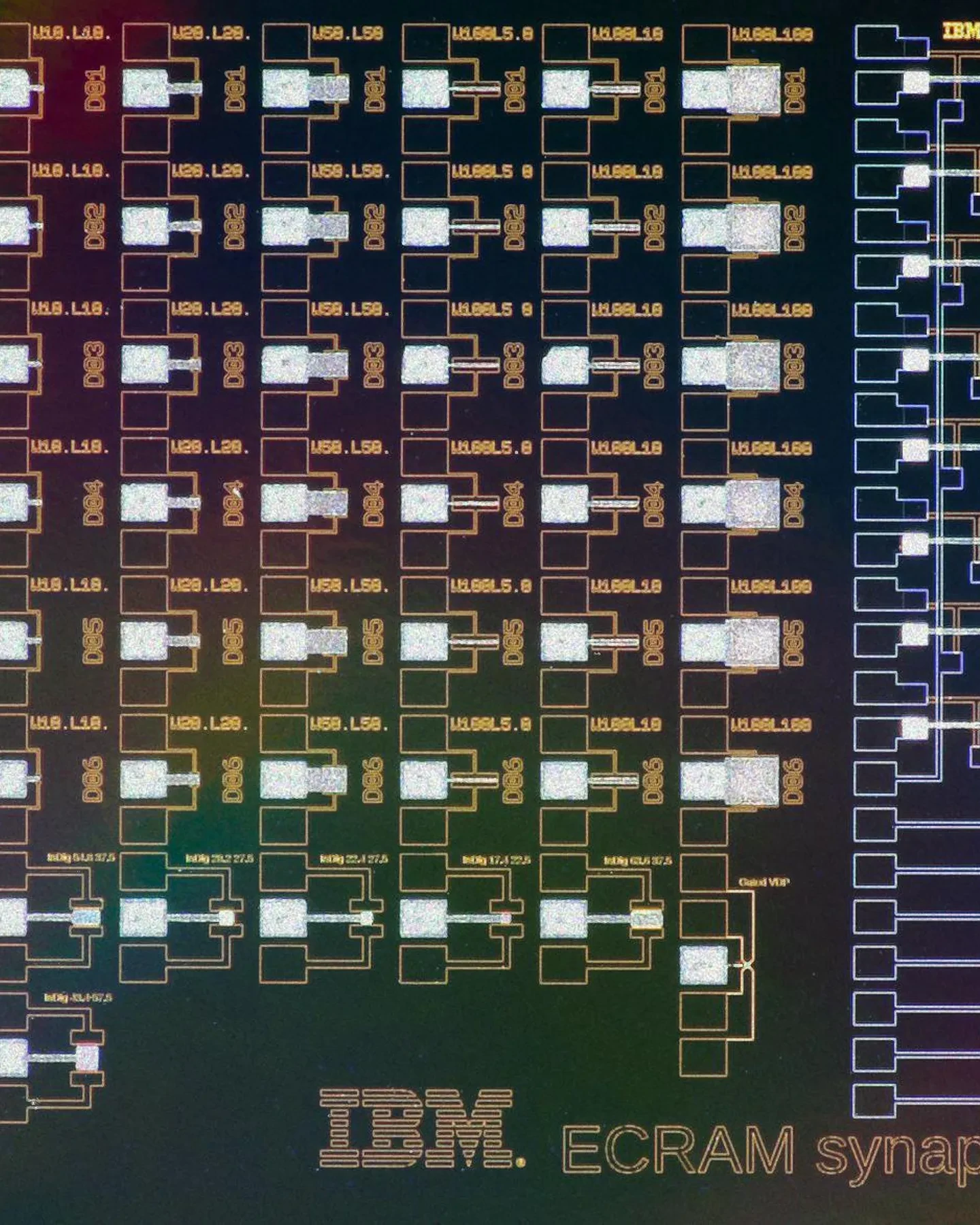
How far away could an artificial brain be? Perhaps a very long way off still, but a working analogue to the essential element of the brain’s networks, the synapse, appears closer at hand now.
That’s because a device that draws inspiration from batteries now appears surprisingly well suited to run artificial neural networks. Called electrochemical RAM (ECRAM), it is giving traditional transistor-based AI an unexpected run for its money—and is quickly moving toward the head of the pack in the race to develop the perfect artificial synapse. Researchers recently reported a string of advances at this week’s IEEE International Electron Device Meeting (IEDM 2022) and elsewhere, including ECRAM devices that use less energy, hold memory longer, and take up less space.
Complete article from IEEE Spectrum.
Explore
Discovering the Joy of Future-forward Electrical Engineering
Jane Halpern | Department of Electrical Engineering and Computer Science
One year in, MIT’s hands-on 6-5 (Electrical Engineering With Computing) degree program is already one of the most popular majors among first-year students.
Tomás Palacios appointed Director of ISN
Office of the Vice President for Research
As director, Tomás will lead ISN’s research mission and build communities within MIT and with external partners.
What Makes a Good Proton Conductor?
Zach Winn | MIT News
MIT researchers found a way to predict how efficiently materials can transport protons in clean energy devices and other advanced technologies.