Matthew Hutson | Department of Nuclear Science and Engineering
November 16, 2021
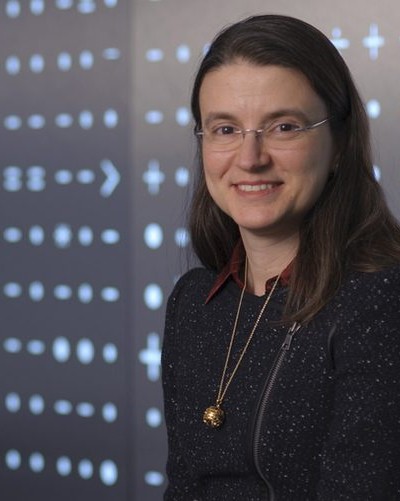
Bilge Yildiz’s research impacts a wide range of technologies. The members of her lab study fuel cells, which convert hydrogen and oxygen into electricity (and water). They study electrolyzers, which go the other way, using electricity to convert water into hydrogen and oxygen. They study batteries. They study corrosion. They even study computers that attempt to mimic the way the brain processes information in learning. What brings all this together in her lab is the electrochemistry of ionic-electronic oxides and their interfaces.
Complete article from MIT News.
Explore
MIT Researchers use AI to Uncover Atomic Defects in Materials
Zach Winn | MIT News
A new model measures defects that can be leveraged to improve materials’ mechanical strength, heat transfer, and energy-conversion efficiency.
“Near-misses” in Particle Accelerators can Illuminate New Physics, Study finds
Jennifer Chu | MIT News
Physicists discovered new properties of the strong force by analyzing what happens when light-speed particles skim by each other.
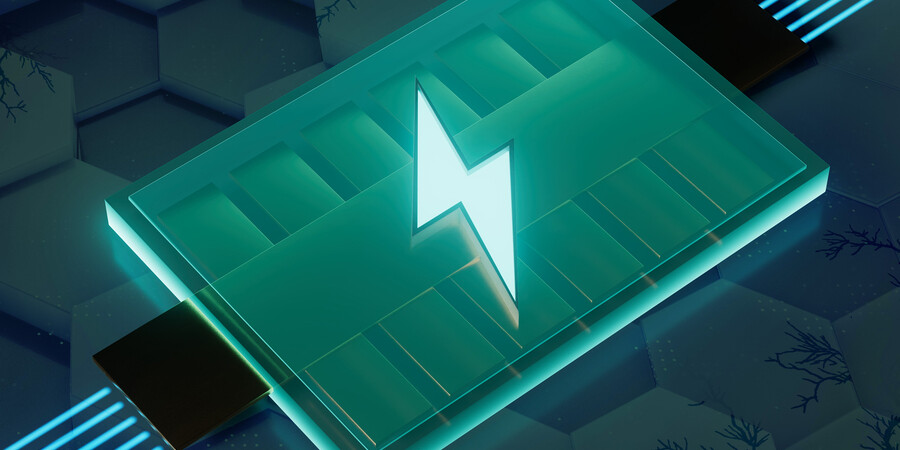
Why Solid-state Batteries Keep Short-circuiting
Zach Winn | MIT News
New insights into metallic cracks that harm battery performance could advance the longstanding quest to develop energy-dense solid-state batteries.