February 21, 2024
The electron is the basic unit of electricity, as it carries a single negative charge. This is what we’re taught in high school physics, and it is overwhelmingly the case in most materials in nature.
But in very special states of matter, electrons can splinter into fractions of their whole. This phenomenon, known as “fractional charge,” is exceedingly rare, and if it can be corralled and controlled, the exotic electronic state could help to build resilient, fault-tolerant quantum computers.
To date, this effect, known to physicists as the “fractional quantum Hall effect,” has been observed a handful of times, and mostly under very high, carefully maintained magnetic fields. Only recently have scientists seen the effect in a material that did not require such powerful magnetic manipulation.
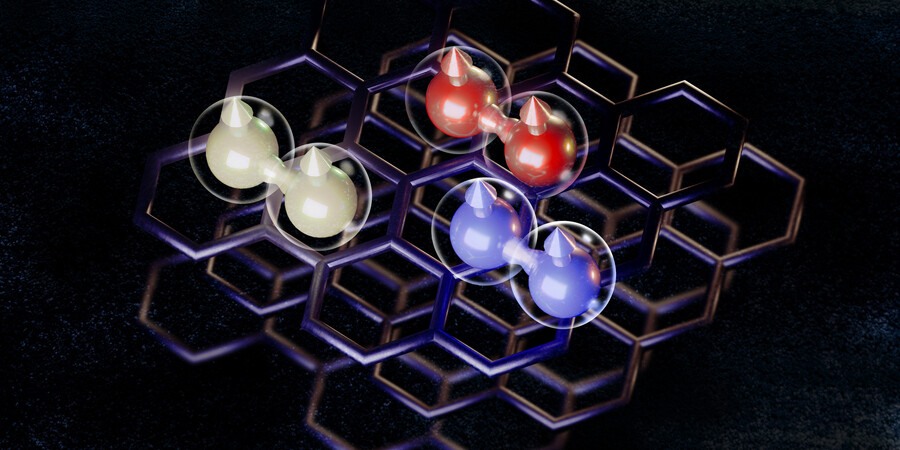
Now, MIT physicists have observed the elusive fractional charge effect, this time in a simpler material: five layers of graphene — an atom-thin layer of carbon that stems from graphite and common pencil lead.
Complete article from MIT News.
Explore
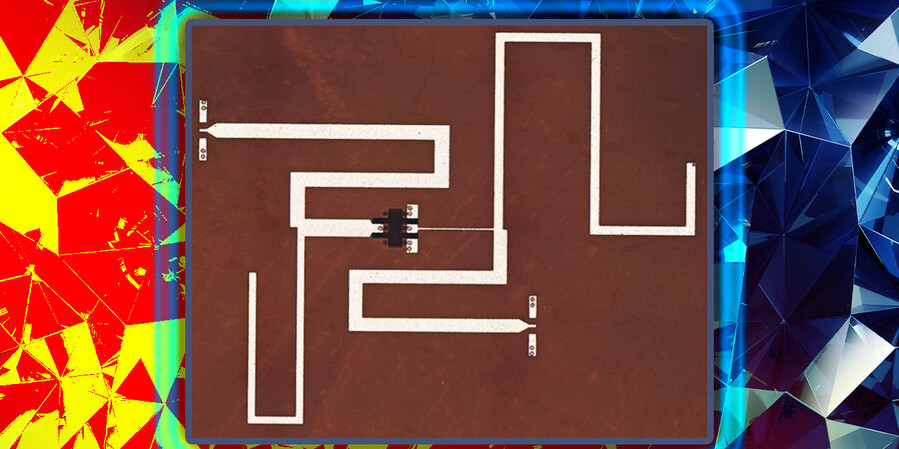
MIT Researchers use AI to Uncover Atomic Defects in Materials
Zach Winn | MIT News
A new model measures defects that can be leveraged to improve materials’ mechanical strength, heat transfer, and energy-conversion efficiency.
“Near-misses” in Particle Accelerators can Illuminate New Physics, Study finds
Jennifer Chu | MIT News
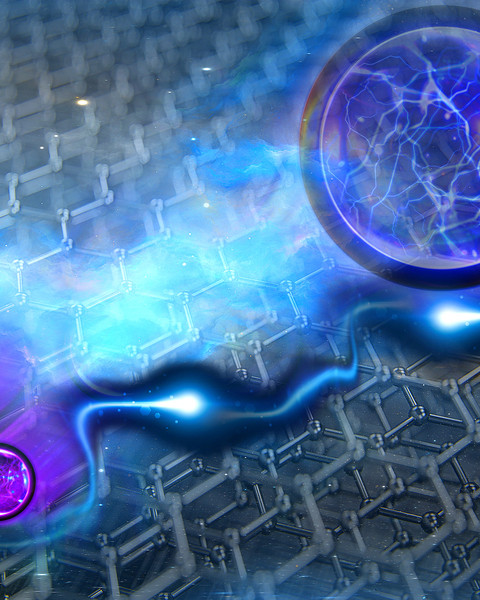
Physicists discovered new properties of the strong force by analyzing what happens when light-speed particles skim by each other.
Why Solid-state Batteries Keep Short-circuiting
Zach Winn | MIT News
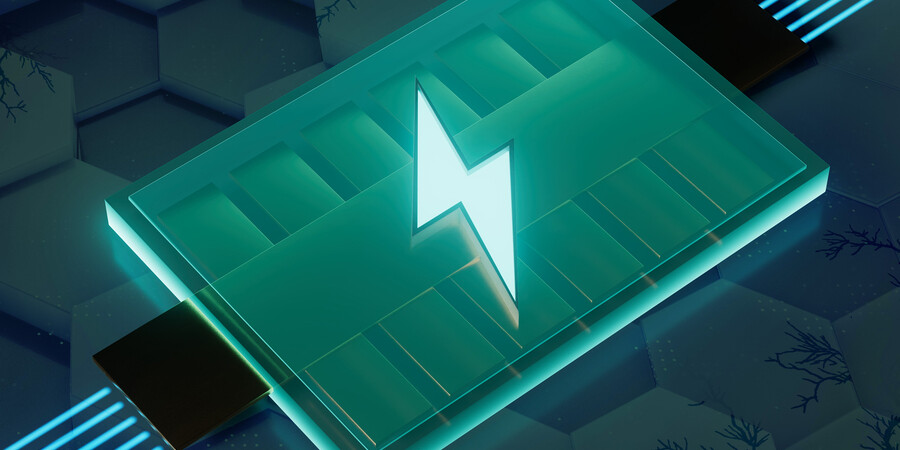
New insights into metallic cracks that harm battery performance could advance the longstanding quest to develop energy-dense solid-state batteries.