

Adam Zewe | MIT News Office
March 21, 2022
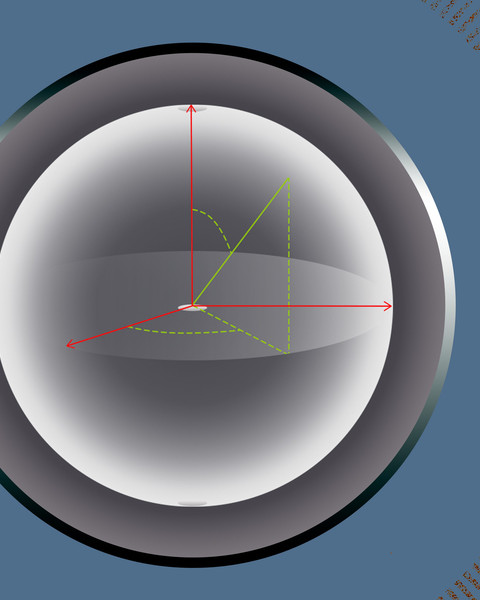
Quantum computing continues to advance at a rapid pace, but one challenge that holds the field back is mitigating the noise that plagues quantum machines. This leads to much higher error rates compared to classical computers.
This noise is often caused by imperfect control signals, interference from the environment, and unwanted interactions between qubits, which are the building blocks of a quantum computer. Performing computations on a quantum computer involves a “quantum circuit,” which is a series of operations called quantum gates. These quantum gates, which are mapped to the individual qubits, change the quantum states of certain qubits, which then perform the calculations to solve a problem.
Complete article from MIT News.
Explore
Discovery helps explain why solid-state batteries often fail
Zach Winn | MIT News
New research could help prevent the formation of tiny seeds of lithium metal within the electrolyte, enabling batteries that charge faster and last longer.
Improving the performance of high-power electronics
Adam Zewe | MIT News
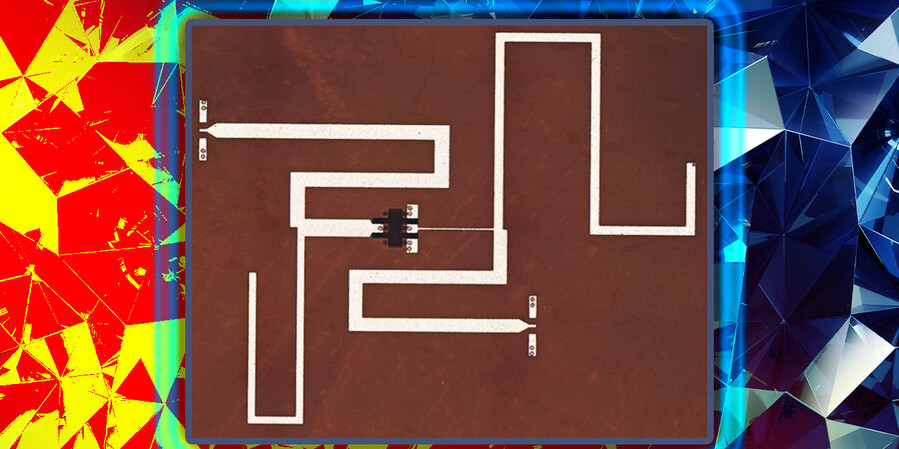
By using a thin layer of diamond to manage excessive heat, researchers can boost the speed and energy-efficiency of next-generation wireless devices.

New Method Could Increase LLM Training Efficiency
Adam Zewe | MIT News
By leveraging idle computing time, researchers can double the speed of model training while preserving accuracy.


