


New Qubit Circuit Enables Quantum Operations with Higher Accuracy
Adam Zewe | MIT News
This advance in superconducting qubit architecture brings quantum error correction a step closer to reality.
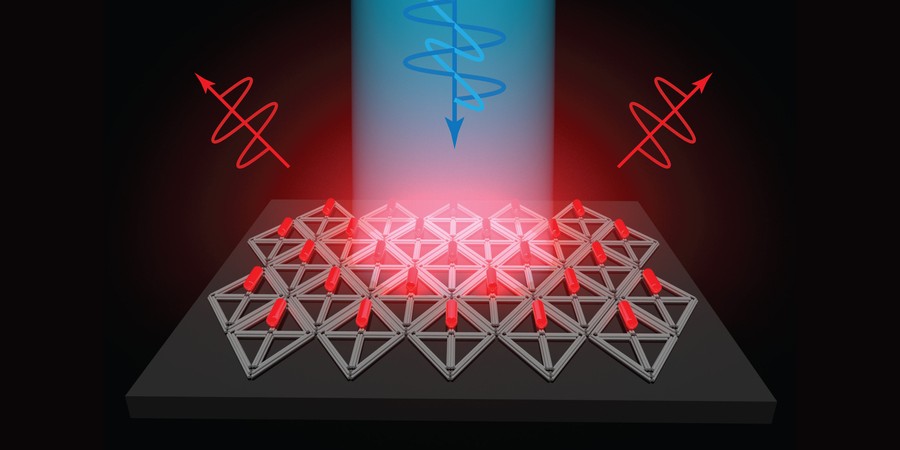
Arrays of Quantum Rods Could Enhance TVs or Virtual Reality Devices
Anne Trafton | MIT News
MIT engineers have used DNA origami scaffolds to create precisely structured arrays of quantum rods, which could be incorporated into LEDs for televisions or virtual reality devices.
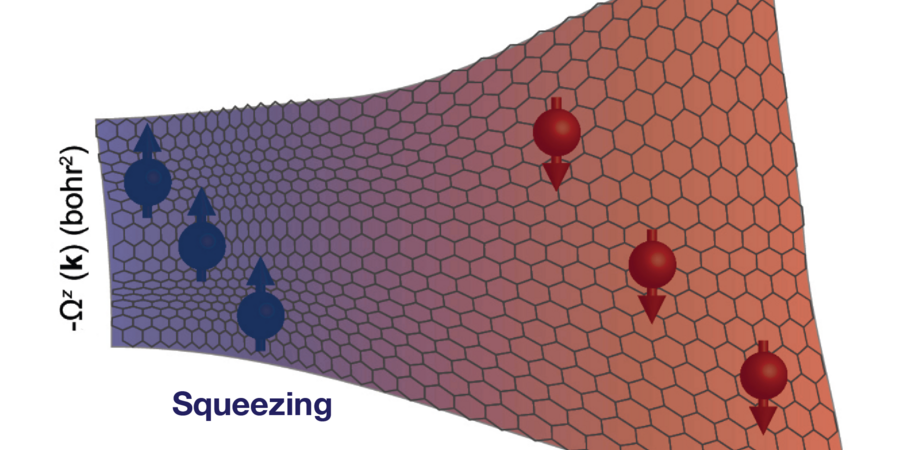
New Quantum Magnet Unleashes Electronics Potential
Julianna Mullen | Plasma Science and Fusion Center
Researchers discover how to control the anomalous Hall effect and Berry curvature to create flexible quantum magnets for use in computers, robotics, and sensors.
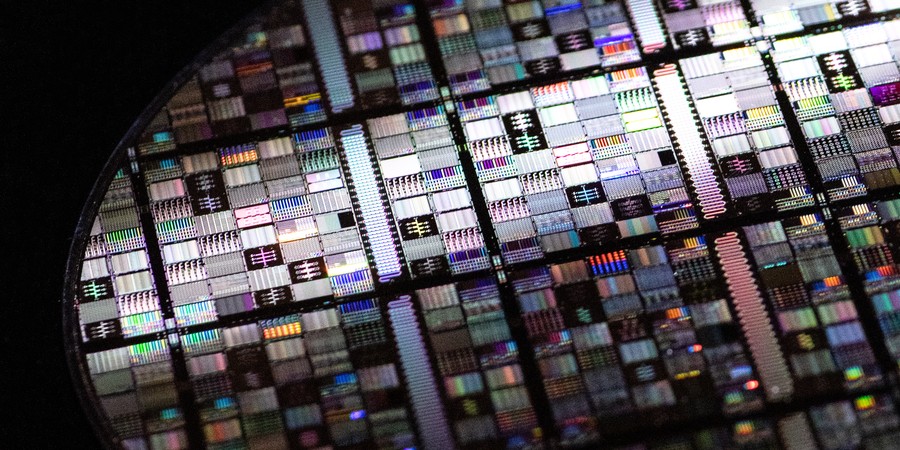
Superconducting Qubit Foundry Accelerates Progress in Quantum Research
Kylie Foy | Haley Wahl | MIT Lincoln Laboratory
A 200-millimeter superconducting qubit wafer fabricated through the Superconducting Qubits at Lincoln Laboratory (SQUILL) Foundry is one example of how the foundry is expanding access to quantum research by fabricating high-quality quantum circuits for U.S. research organizations.

IBM Quantum Summit 2022 — What’s New
Wednesday, November 9, 2022
IBM Research, New York

QuEra to Bring Expanded Quantum Capability to NERSC
HPC Wire
QuEra Computing, maker of the world’s first and only publicly accessible neutral-atom quantum computer – Aquila, announced a new partnership with the National Energy Research Scientific Computing Center (NERSC).
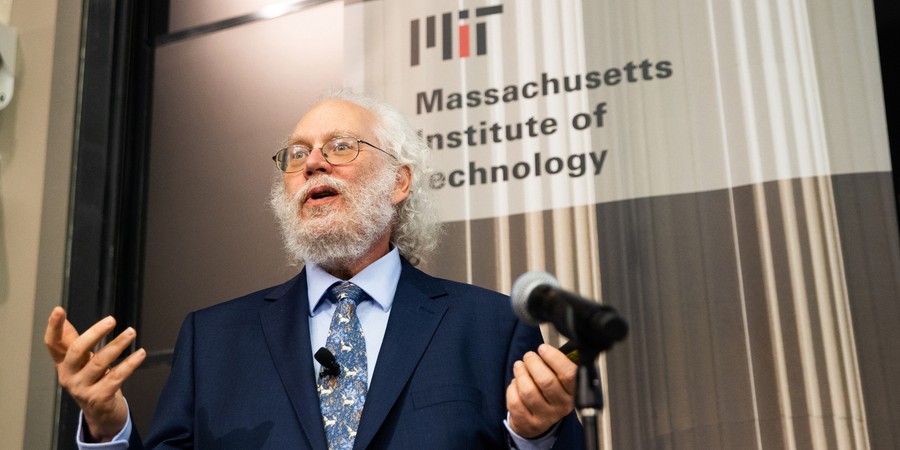
It’s a weird, weird quantum world
Jennifer Chu | MIT News Office
In MIT’s 2023 Killian Lecture, Peter Shor shares a brief history of quantum computing from a personal viewpoint.
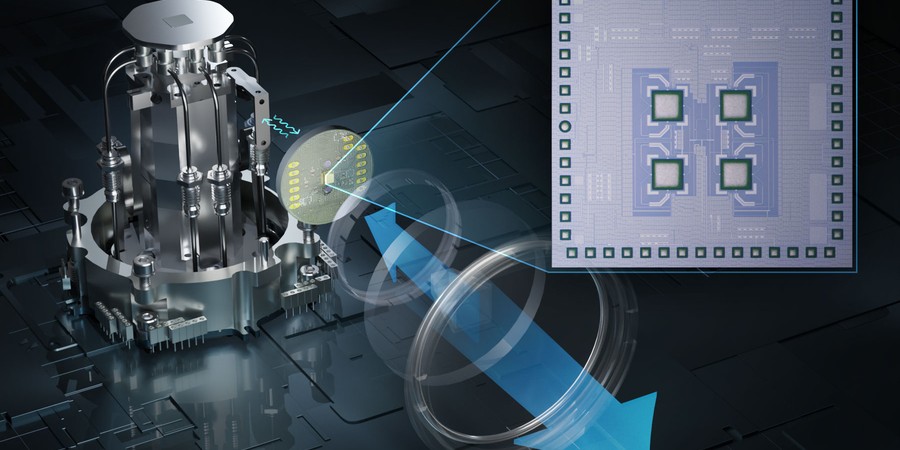
A New Way for Quantum Computing Systems to Keep Their Cool
Adam Zewe | MIT News Office
A wireless technique enables a super-cold quantum computer to send and receive data without generating too much error-causing heat.