

Turner Jackson | MIT Energy Initiative
October 17, 2022
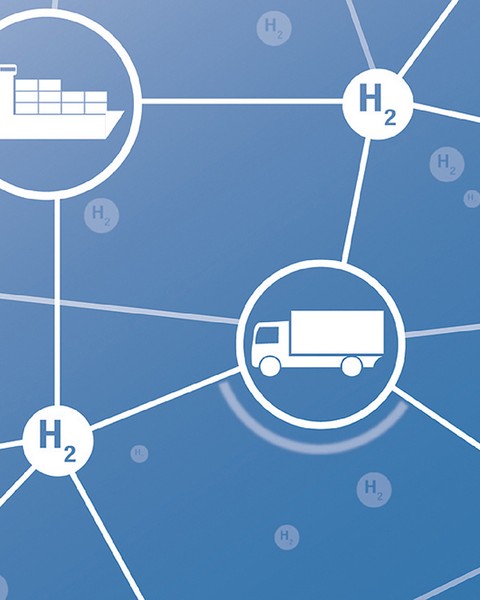
In the past several years, hydrogen energy has increasingly become a more central aspect of the clean energy transition. Hydrogen can produce clean, on-demand energy that could complement variable renewable energy sources such as wind and solar power. That being said, pathways for deploying hydrogen at scale have yet to be fully explored. In particular, the optimal form of hydrogen production remains in question.
MIT Energy Initiative Research Scientist Emre Gençer and researchers from a wide range of global academic and research institutions recently published “On the climate impacts of blue hydrogen production,” a comprehensive life-cycle assessment analysis of blue hydrogen, a term referring to natural gas-based hydrogen production with carbon capture and storage. Here, Gençer describes blue hydrogen and the role that hydrogen will play more broadly in decarbonizing the world’s energy systems.
Complete article from MIT News.
Explore
Discovery helps explain why solid-state batteries often fail
Zach Winn | MIT News
New research could help prevent the formation of tiny seeds of lithium metal within the electrolyte, enabling batteries that charge faster and last longer.
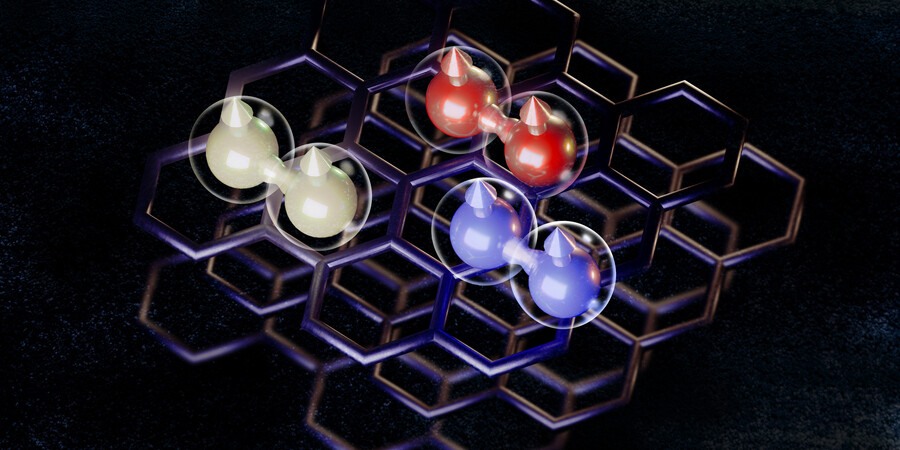
Graphene can hold multiple states of superconductivity, a new study finds
Jennifer Chu | MIT News
What’s more, the superconducting states get stronger under conditions expected to kill them.

Improving the performance of high-power electronics
Adam Zewe | MIT News
By using a thin layer of diamond to manage excessive heat, researchers can boost the speed and energy-efficiency of next-generation wireless devices.


