

June 29, 2026
In a study appearing today in the journal Nature, MIT researchers report that a certain microscopic structure found in natural graphite can host multiple superconducting states. Superconductivity is an electronic state of matter in which electrons pair up and glide through a material with zero resistance.
While there are thousands of materials that are known to be superconductors, it is rare for one material to host multiple forms of superconductivity.
The researchers discovered the multiple superconducting states in atomically thin exfoliations of graphite, known as graphene. Specifically, graphene is a single-atom-thin sheet of carbon atoms arranged precisely in a microscopic lattice. The team made its discoveries in samples of rhombohedral graphene, which is a natural structure within graphite consisting of a stack of four or five graphene layers.
Complete article from MIT News.
Explore
Discovery helps explain why solid-state batteries often fail
Zach Winn | MIT News
New research could help prevent the formation of tiny seeds of lithium metal within the electrolyte, enabling batteries that charge faster and last longer.
Improving the performance of high-power electronics
Adam Zewe | MIT News
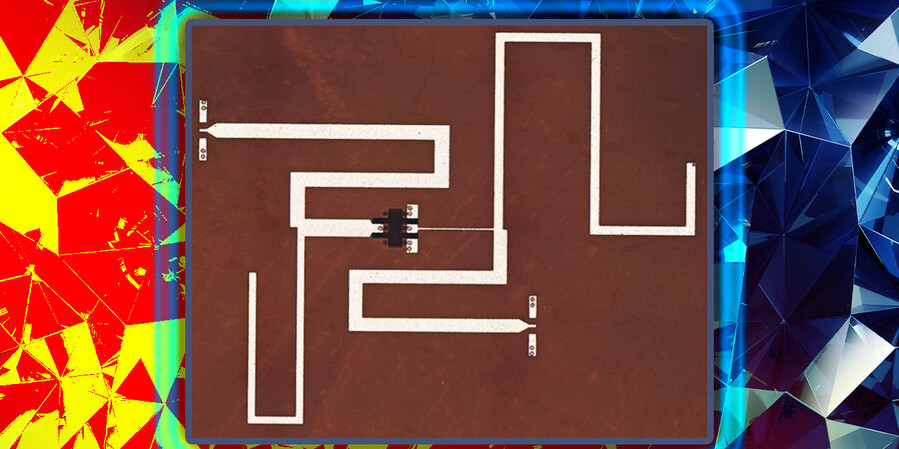
By using a thin layer of diamond to manage excessive heat, researchers can boost the speed and energy-efficiency of next-generation wireless devices.
MIT researchers develop a low-cost technique to get lithium out of rocks
Zach Winn | MIT News
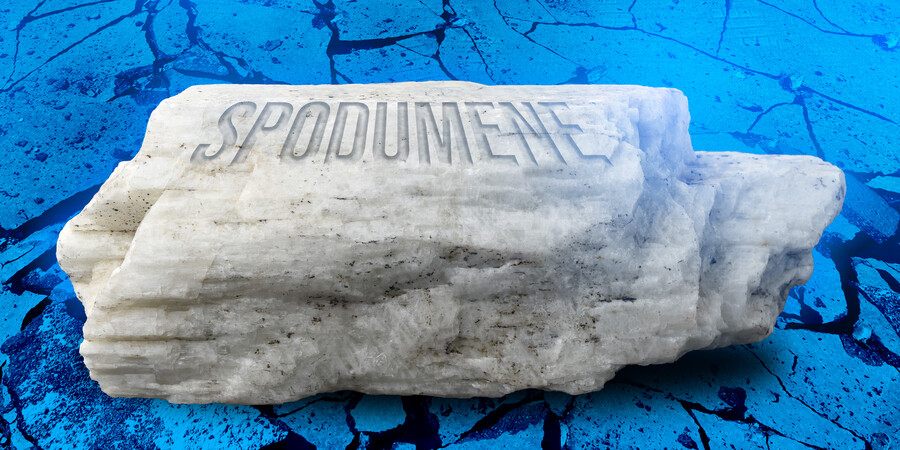
The low-temperature process could unlock cleaner lithium from America’s abundant hard rock while minimizing waste.


