
Adam Zewe | MIT News Office
December 21, 2022
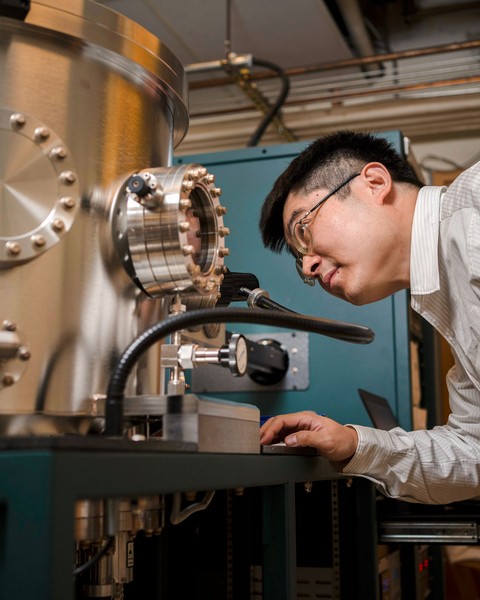
Luqiao Liu was the kind of kid who would rather take his toys apart to see how they worked than play with them the way they were intended.
Curiosity has been a driving force throughout his life, and it led him to MIT, where Liu is a newly tenured associate professor in the Department of Electrical Engineering and Computer Science and a member of the Research Laboratory of Electronics.
Rather than taking things apart, he’s now using novel materials and nanoscale fabrication techniques to build next-generation electronics that use dramatically less power than conventional devices. Curiosity still comes in handy, he says, especially since he and his collaborators work in the largely uncharted territory of spin electronics — a field that only emerged in the 1980s.
Complete article from MIT News.
Explore
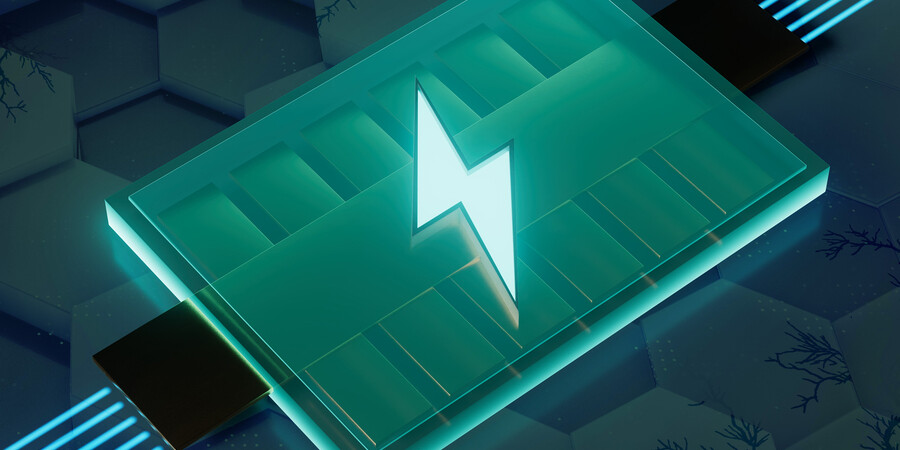
Discovery helps explain why solid-state batteries often fail
Zach Winn | MIT News
New research could help prevent the formation of tiny seeds of lithium metal within the electrolyte, enabling batteries that charge faster and last longer.
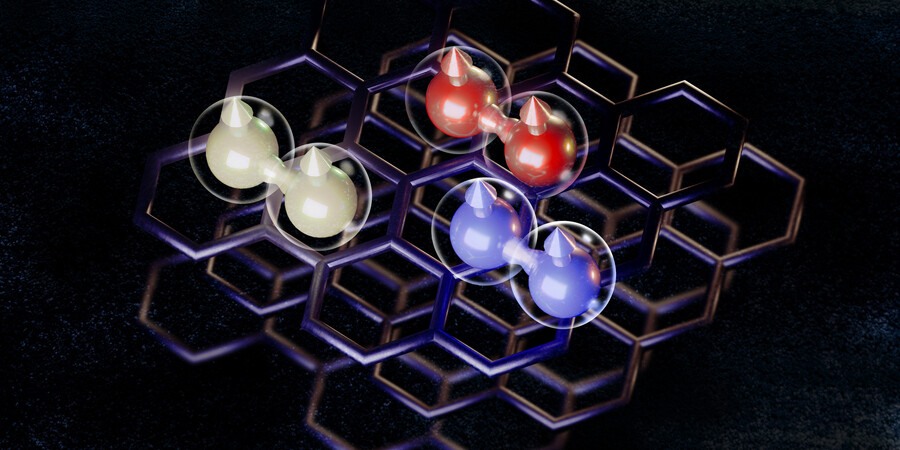
Graphene can hold multiple states of superconductivity, a new study finds
Jennifer Chu | MIT News
What’s more, the superconducting states get stronger under conditions expected to kill them.
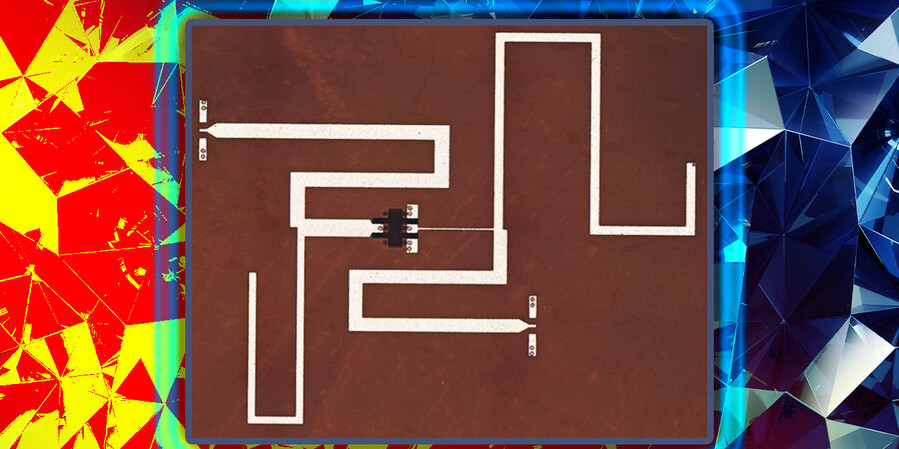
Improving the performance of high-power electronics
Adam Zewe | MIT News
By using a thin layer of diamond to manage excessive heat, researchers can boost the speed and energy-efficiency of next-generation wireless devices.


