
Jennifer Chu | MIT News Office
February 1, 2023
Take apart your laptop screen, and at its heart you’ll find a plate patterned with pixels of red, green, and blue LEDs, arranged end to end like a meticulous Lite Brite display. When electrically powered, the LEDs together can produce every shade in the rainbow to generate full-color displays. Over the years, the size of individual pixels has shrunk, enabling many more of them to be packed into devices to produce sharper, higher-resolution digital displays.
But much like computer transistors, LEDs are reaching a limit to how small they can be while also performing effectively. This limit is especially noticeable in close-range displays such as augmented and virtual reality devices, where limited pixel density results in a “screen door effect” such that users perceive stripes in the space between pixels.
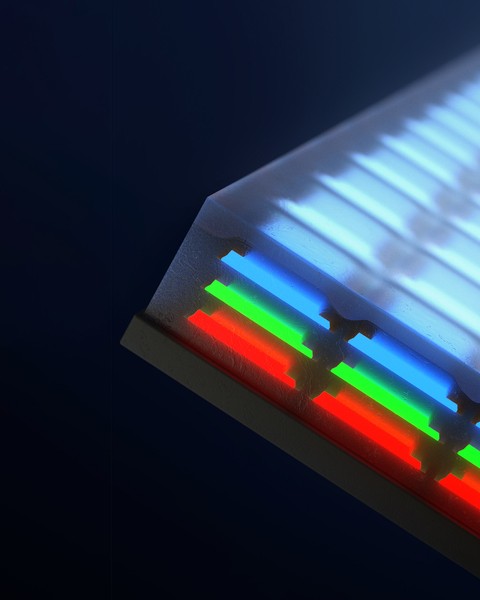
Now, MIT engineers have developed a new way to make sharper, defect-free displays. Instead of replacing red, green, and blue light-emitting diodes side by side in a horizontal patchwork, the team has invented a way to stack the diodes to create vertical, multicolored pixels.
Complete article from MIT News.
Explore
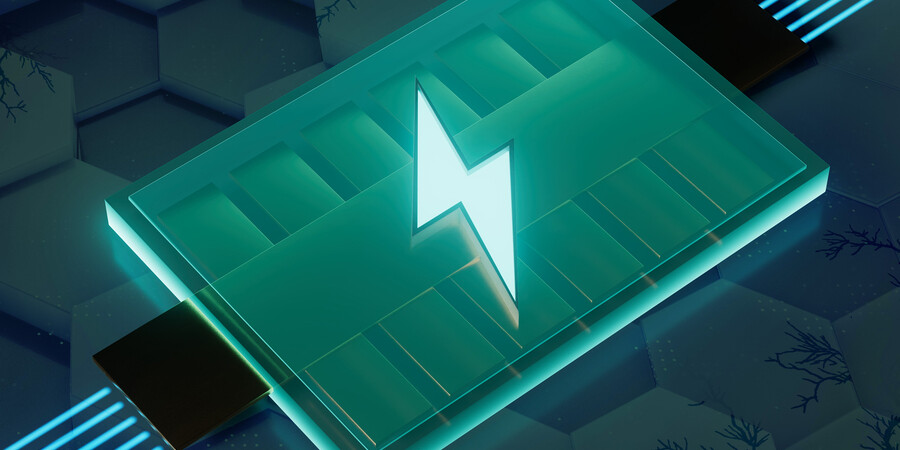
Discovery helps explain why solid-state batteries often fail
Zach Winn | MIT News
New research could help prevent the formation of tiny seeds of lithium metal within the electrolyte, enabling batteries that charge faster and last longer.
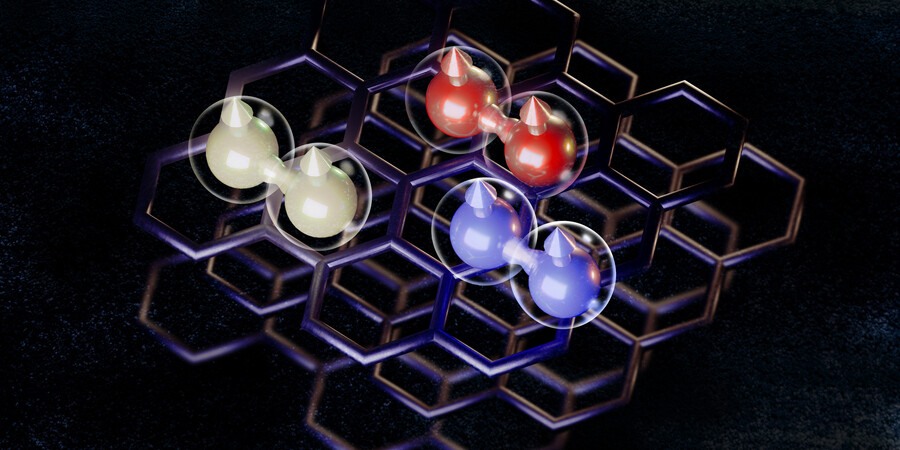
Graphene can hold multiple states of superconductivity, a new study finds
Jennifer Chu | MIT News
What’s more, the superconducting states get stronger under conditions expected to kill them.
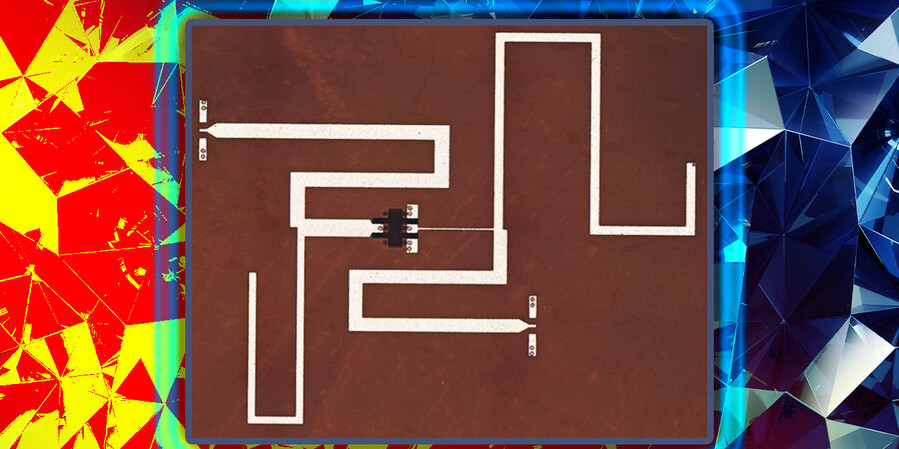
Improving the performance of high-power electronics
Adam Zewe | MIT News
By using a thin layer of diamond to manage excessive heat, researchers can boost the speed and energy-efficiency of next-generation wireless devices.


