
May 28, 2026
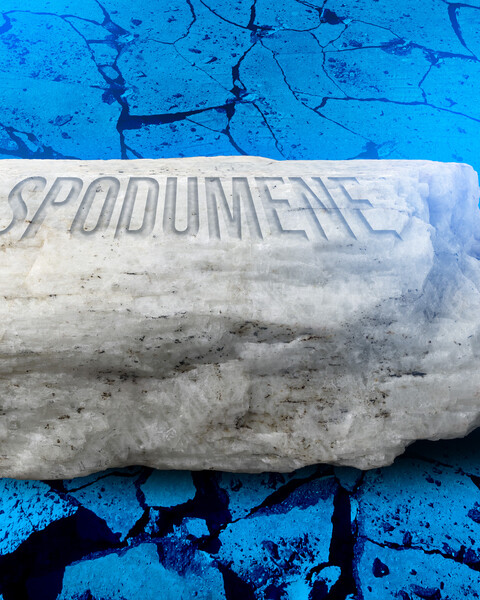
Demand for lithium has surged in recent years as lithium-ion batteries power increasingly more of our world. And yet, even as places like the U.S., Europe, and Australia have abundant lithium resources within their borders, China dominates global lithium refining. The biggest hurdle to tapping into the U.S. and Australia’s lithium is getting it out of hard rock minerals in a form that is useful.
Extracting lithium from hard rock today is an energy- and waste-intensive process that is often far more expensive than getting lithium from brine water, which also has major environmental drawbacks. Currently, lithium hard rock extraction involves baking the rock at over 1,000 Celsius and chemically leaching it to extract lithium. The rest of the rock is discarded.
Now, a team of researchers from MIT and elsewhere has developed a low-temperature process for extracting battery-grade lithium from the most common type of lithium-bearing mineral. The process uses a liquid reagent to dissolve the rock into the useful forms of its constituent parts: not just battery-ready lithium salts, but also smelter-grade alumina and cement-ready silica. After the minerals are extracted, the solvent and reagent can be recovered and used again so waste levels approach zero.
Complete article from MIT News.
Explore
Discovery helps explain why solid-state batteries often fail
Zach Winn | MIT News
New research could help prevent the formation of tiny seeds of lithium metal within the electrolyte, enabling batteries that charge faster and last longer.
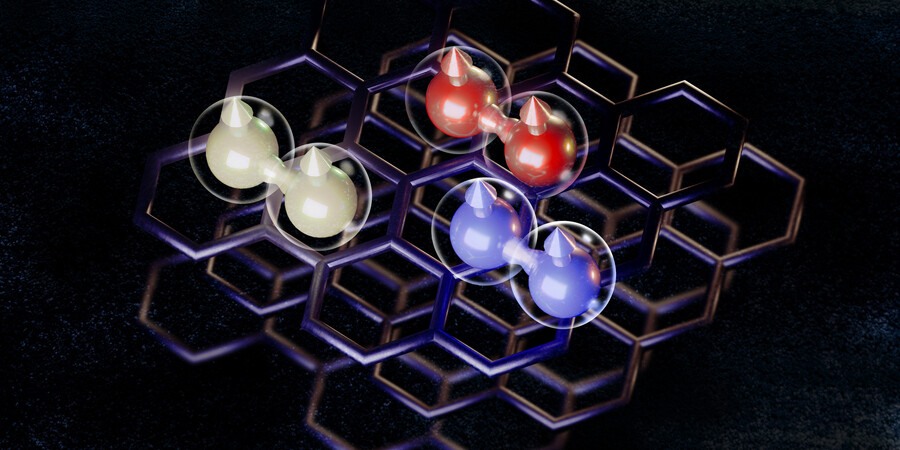
Graphene can hold multiple states of superconductivity, a new study finds
Jennifer Chu | MIT News
What’s more, the superconducting states get stronger under conditions expected to kill them.
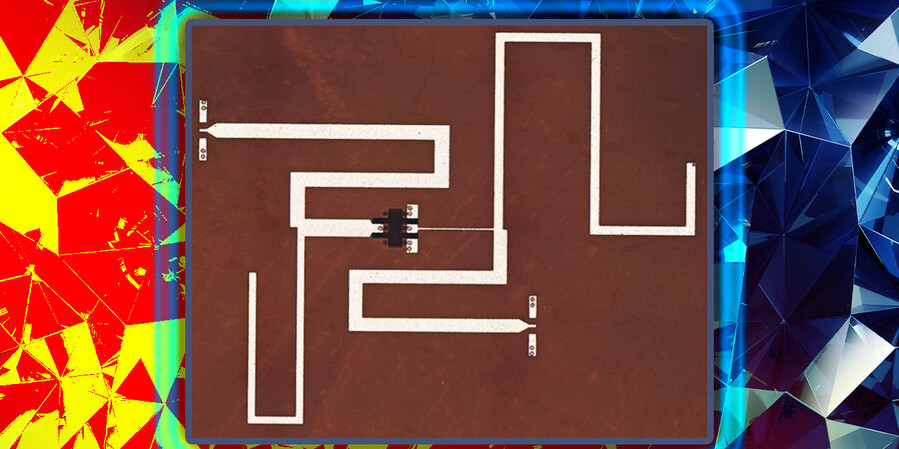
Improving the performance of high-power electronics
Adam Zewe | MIT News
By using a thin layer of diamond to manage excessive heat, researchers can boost the speed and energy-efficiency of next-generation wireless devices.


