

January 17, 2025
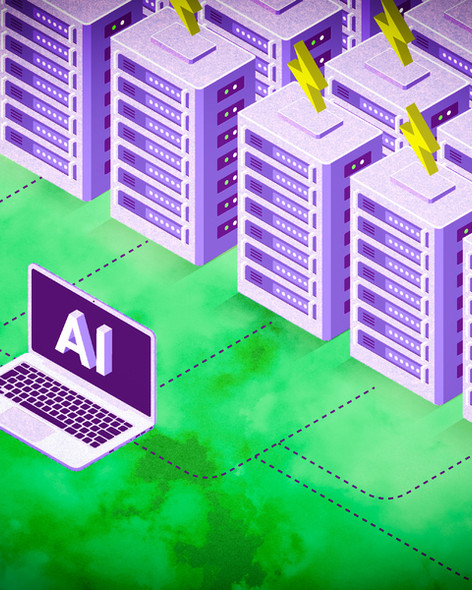
In a two-part series, MIT News explores the environmental implications of generative AI. In this article, we look at why this technology is so resource-intensive. A second piece will investigate what experts are doing to reduce genAI’s carbon footprint and other impacts.
The excitement surrounding potential benefits of generative AI, from improving worker productivity to advancing scientific research, is hard to ignore. While the explosive growth of this new technology has enabled rapid deployment of powerful models in many industries, the environmental consequences of this generative AI “gold rush” remain difficult to pin down, let alone mitigate.
Complete article from MIT News.
Explore
Discovery helps explain why solid-state batteries often fail
Zach Winn | MIT News
New research could help prevent the formation of tiny seeds of lithium metal within the electrolyte, enabling batteries that charge faster and last longer.

Improving the performance of high-power electronics
Adam Zewe | MIT News
By using a thin layer of diamond to manage excessive heat, researchers can boost the speed and energy-efficiency of next-generation wireless devices.

What Makes a Good Proton Conductor?
Zach Winn | MIT News
MIT researchers found a way to predict how efficiently materials can transport protons in clean energy devices and other advanced technologies.


