

April 23, 2025
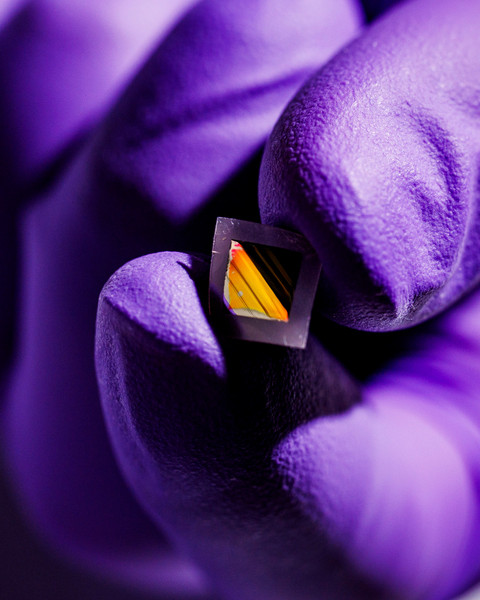
MIT engineers have developed a technique to grow and peel ultrathin “skins” of electronic material. The method could pave the way for new classes of electronic devices, such as ultrathin wearable sensors, flexible transistors and computing elements, and highly sensitive and compact imaging devices.
As a demonstration, the team fabricated a thin membrane of pyroelectric material — a class of heat-sensing material that produces an electric current in response to changes in temperature. The thinner the pyroelectric material, the better it is at sensing subtle thermal variations.
With their new method, the team fabricated the thinnest pyroelectric membrane yet, measuring 10 nanometers thick, and demonstrated that the film is highly sensitive to heat and radiation across the far-infrared spectrum.
The newly developed film could enable lighter, more portable, and highly accurate far-infrared (IR) sensing devices, with potential applications for night-vision eyewear and autonomous driving in foggy conditions. Current state-of-the-art far-IR sensors require bulky cooling elements. In contrast, the new pyroelectric thin film requires no cooling and is sensitive to much smaller changes in temperature. The researchers are exploring ways to incorporate the film into lighter, higher-precision night-vision glasses.
Complete article from MIT News.
Explore
Discovery helps explain why solid-state batteries often fail
Zach Winn | MIT News
New research could help prevent the formation of tiny seeds of lithium metal within the electrolyte, enabling batteries that charge faster and last longer.
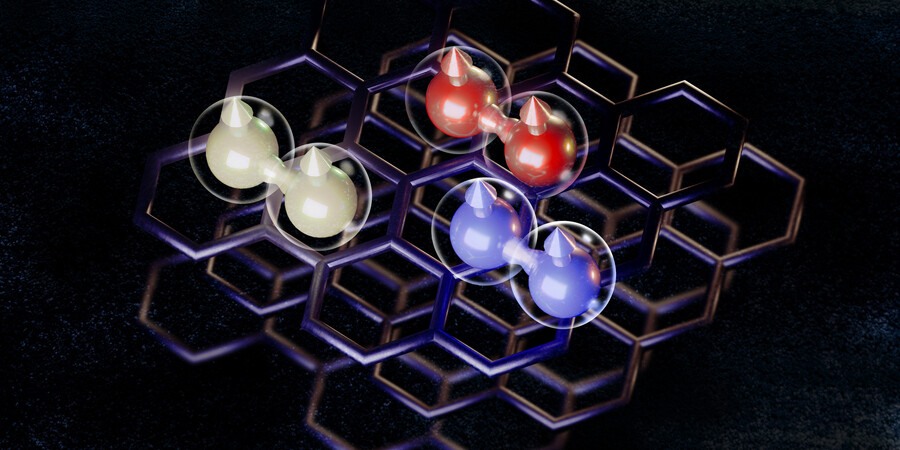
Graphene can hold multiple states of superconductivity, a new study finds
Jennifer Chu | MIT News
What’s more, the superconducting states get stronger under conditions expected to kill them.
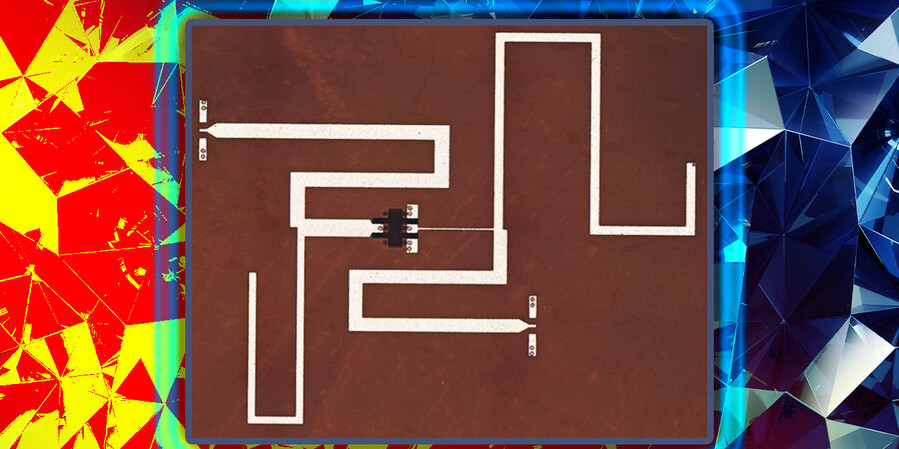
Improving the performance of high-power electronics
Adam Zewe | MIT News
By using a thin layer of diamond to manage excessive heat, researchers can boost the speed and energy-efficiency of next-generation wireless devices.


