

Explore
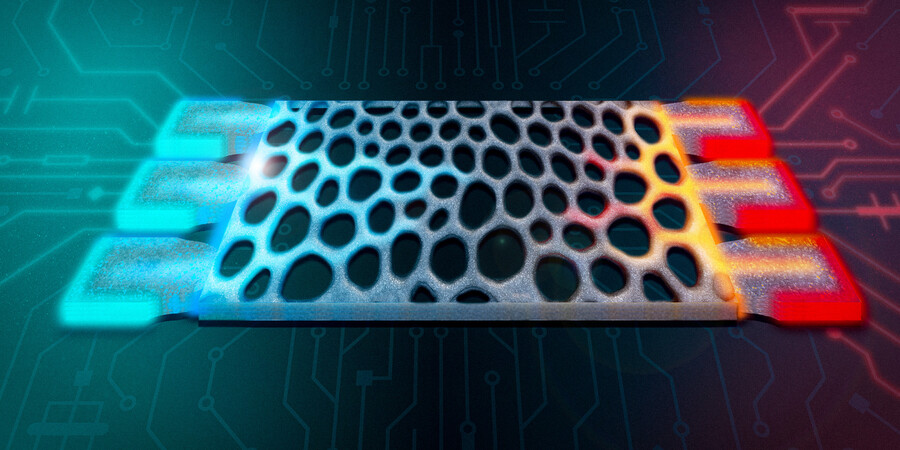
MIT Engineers Design Structures that Compute with Heat
Adam Zewe | MIT News
By leveraging excess heat instead of electricity, microscopic silicon structures could enable more energy-efficient thermal sensing and signal processing.
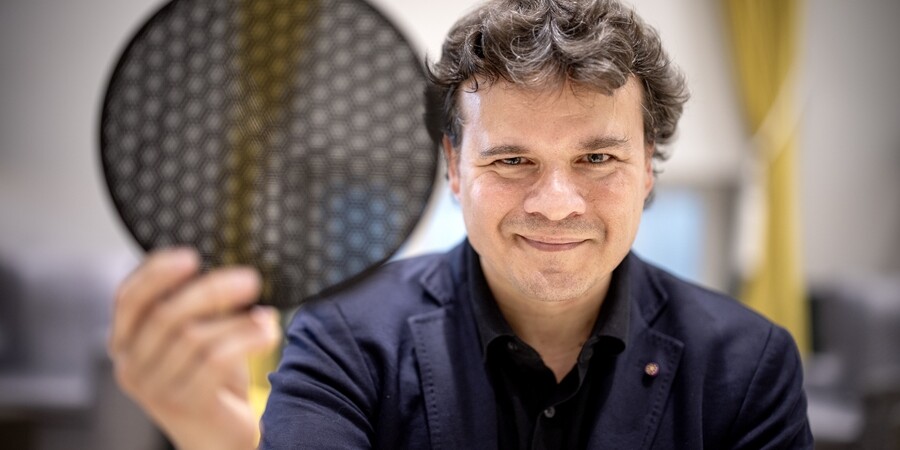
Pablo Jarillo-Herrero wins BBVA Foundation Frontiers of Knowledge Award
MIT physicist shares award for influential work on “magic-angle” graphene.
Materials Research Laboratory
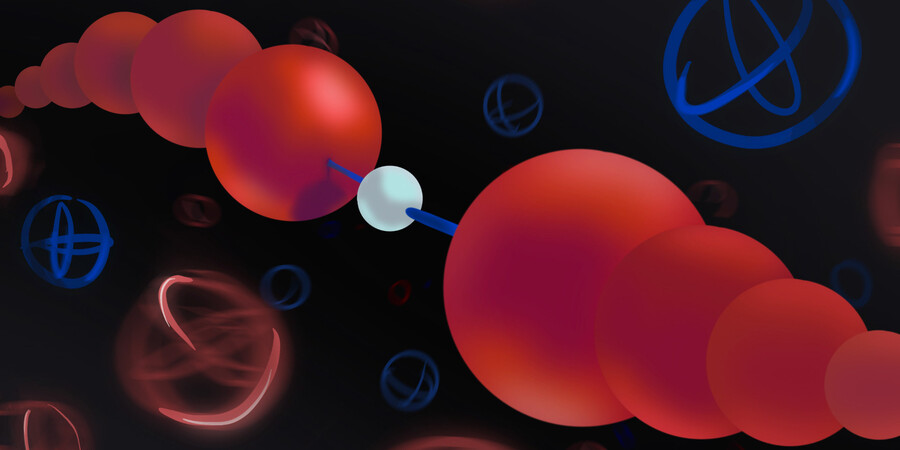
What Makes a Good Proton Conductor?
Zach Winn | MIT News
MIT researchers found a way to predict how efficiently materials can transport protons in clean energy devices and other advanced technologies.