


What Makes a Good Proton Conductor?
Zach Winn | MIT News
MIT researchers found a way to predict how efficiently materials can transport protons in clean energy devices and other advanced technologies.

New Transmitter could Make Wireless Devices more Energy-Efficient
Adam Zewe | MIT News
The flexible chip could boost the performance of current electronics and meet the more stringent efficiency requirements of future 6G technologies.
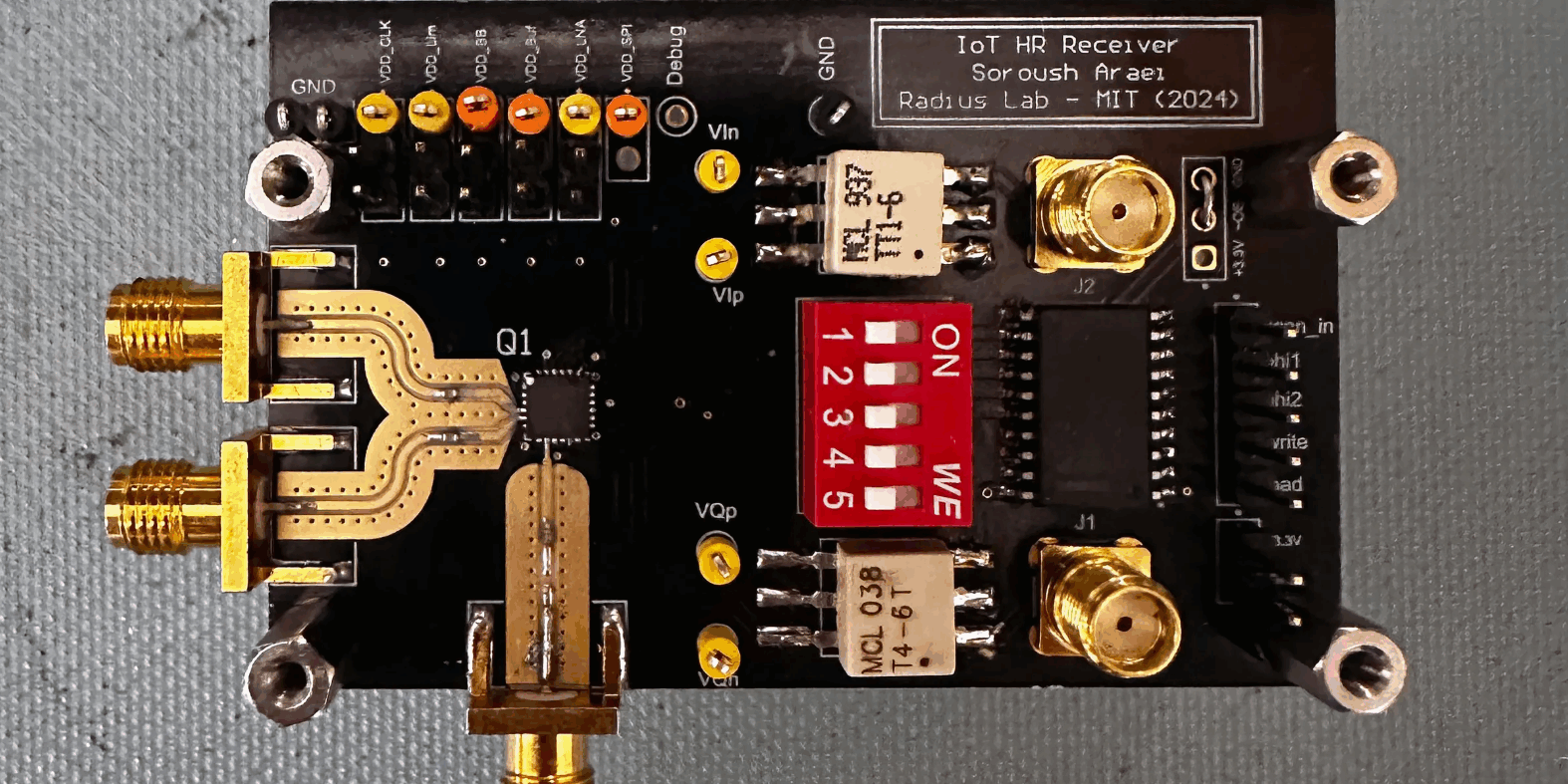
The Internet of Things Gets a 5G Update
Margo Anderson | IEEE Spectrum
MIT’s clever chip design provides efficient frequency hopping
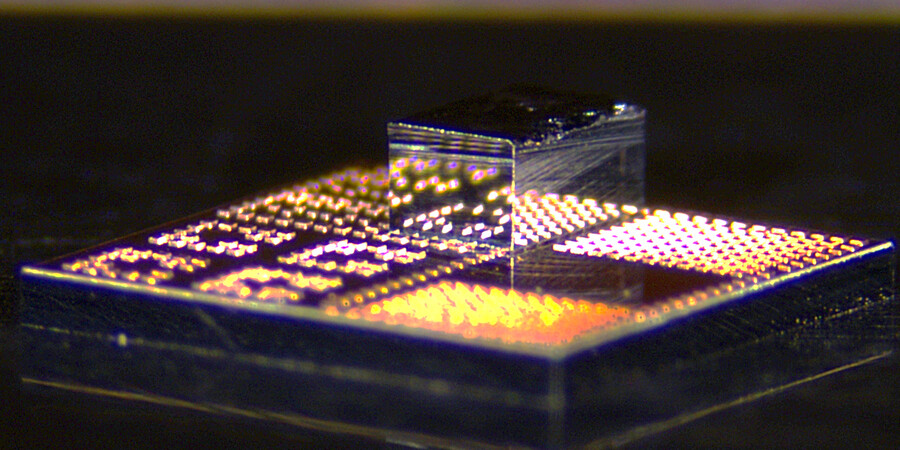
New 3D Chips could Make Electronics Faster and more Energy-Efficient
Adam Zewe | MIT News
The low-cost, scalable technology can seamlessly integrate high-speed gallium nitride transistors onto a standard silicon chip.

Energy-Efficient and Environmentally Sustainable Computing Systems Leveraging Three-Dimensional Integrated Circuits
Wednesday, May 14, 2025 | 12:00 - 1:00pm ET
Hybrid
Zoom & MIT Campus

Analog Compute-in-Memory Accelerators for Deep Learning
Wednesday, April 30, 2025 | 12:00 - 1:00pm ET
Hybrid
Zoom & MIT Campus

Agile Design of Domain-Specific Hardware Accelerators and Compilers
Wednesday, February 12, 2025
Hybrid
Zoom & MIT Campus

Explained: Generative AI’s Environmental Impact
Adam Zewe | MIT News
Rapid development and deployment of powerful generative AI models comes with environmental consequences, including increased electricity demand and water consumption.

Q&A: The Climate Impact of Generative AI
Anne McGovern | MIT Lincoln Laboratory
As the use of generative AI continues to grow, Lincoln Laboratory's Vijay Gadepally describes what researchers and consumers can do to help mitigate its environmental impact.
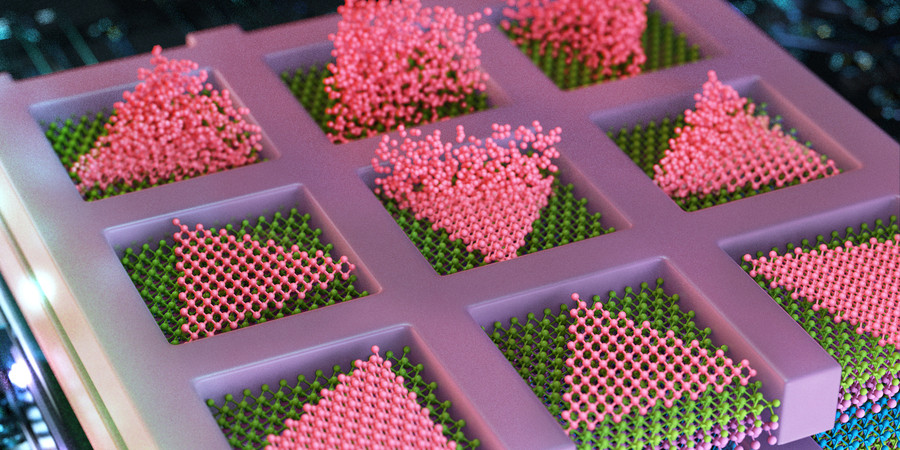
MIT Engineers Grow “High-Rise” 3D Chips
Jennifer Chu | MIT News
An electronic stacking technique could exponentially increase the number of transistors on chips, enabling more efficient AI hardware.