

June 8, 2026
The silicon that forms the foundation of most computer chips has fundamental limits to how much power it can manage, which constrains the speed and energy-efficiency of wireless communication systems.
A promising solution is to build future wireless electronics out of transistors made from gallium nitride, an advanced material that can handle the speed and energy required for demanding wireless applications like 6G and satellite communications.
But even in the best transistors, a very large fraction of that energy becomes heat. As researchers pack more gallium nitride transistors into a smaller area on a silicon chip, localized hot spots degrade reliability and hamper performance.
Now, a team from MIT and elsewhere has broken through this bottleneck by embedding gallium nitride transistors into an ultrathin layer of diamond. The diamond acts as a heat spreader that normalizes the temperature and allows the transistors to approach peak performance without reducing reliability.
Complete article from MIT News.
Explore
Discovery helps explain why solid-state batteries often fail
Zach Winn | MIT News
New research could help prevent the formation of tiny seeds of lithium metal within the electrolyte, enabling batteries that charge faster and last longer.

Graphene can hold multiple states of superconductivity, a new study finds
Jennifer Chu | MIT News
What’s more, the superconducting states get stronger under conditions expected to kill them.
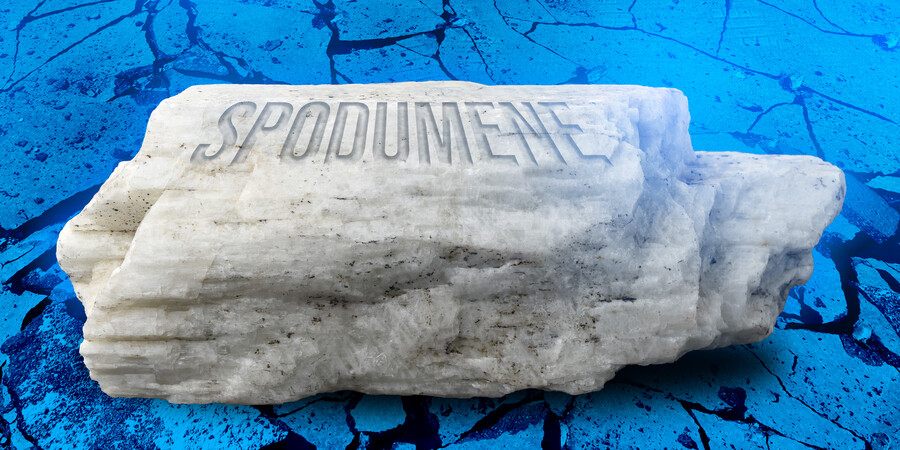
MIT researchers develop a low-cost technique to get lithium out of rocks
Zach Winn | MIT News
The low-temperature process could unlock cleaner lithium from America’s abundant hard rock while minimizing waste.


